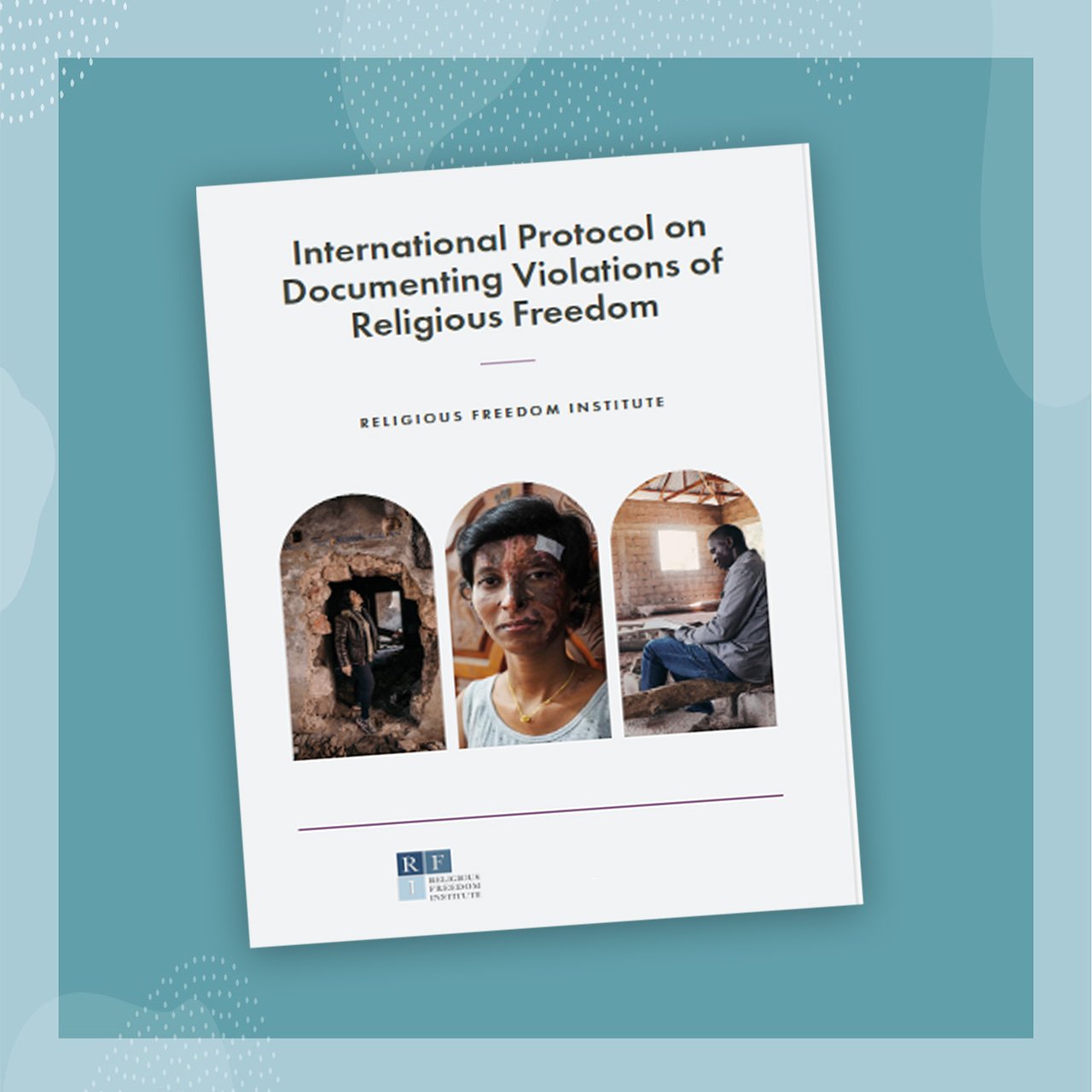
The seminar session focuses on introducing essential concepts of international human rights law, particularly the documentation of religious freedom violations, emphasizing state responsibilities, legal frameworks, and practical applications for NGOs.
The seminar session provides an introductory overview of key concepts in international human rights law, with a specific focus on documenting violations of religious freedom for NGOs. It covers foundational principles such as human dignity, equality, and the interplay between domestic and international legal frameworks, using examples like the Universal Declaration of Human Rights and the African Charter. Through discussions and exercises, including analyzing real-world scenarios like prison conditions in Gambia and Boko Haram’s actions in Nigeria, participants explore state obligations (respect, protect, fulfill), the complexities of responsibility (e.g., state vs. non-state actors), and practical documentation techniques to support legal proceedings.
The session also addresses the universality and limitations of rights, such as freedom of religion or belief (FoRB), and examines how violations, like torture or extrajudicial killings, can be assessed under international and domestic laws. By connecting biblical perspectives to modern human rights doctrine and engaging participants from diverse African contexts (e.g., Nigeria, Uganda, Mali), the session aims to equip attendees with the theoretical and practical tools needed to advocate for accountability and justice in cases of religious persecution.