The role of youth can play in advancing Religious Freedom
1. When FORB Is Ignored
FORB indeed has many benefits when it is respected and protected. However, negligence and disregard for this imperative right have, throughout history and in recent experience, shown the horrific effects intolerance can have on human lives. It often begins quietly; with prejudice, mockery, or exclusion. But left unchecked, it grows into discrimination, then violence. What starts as hostility in words can end in hostility with weapons.
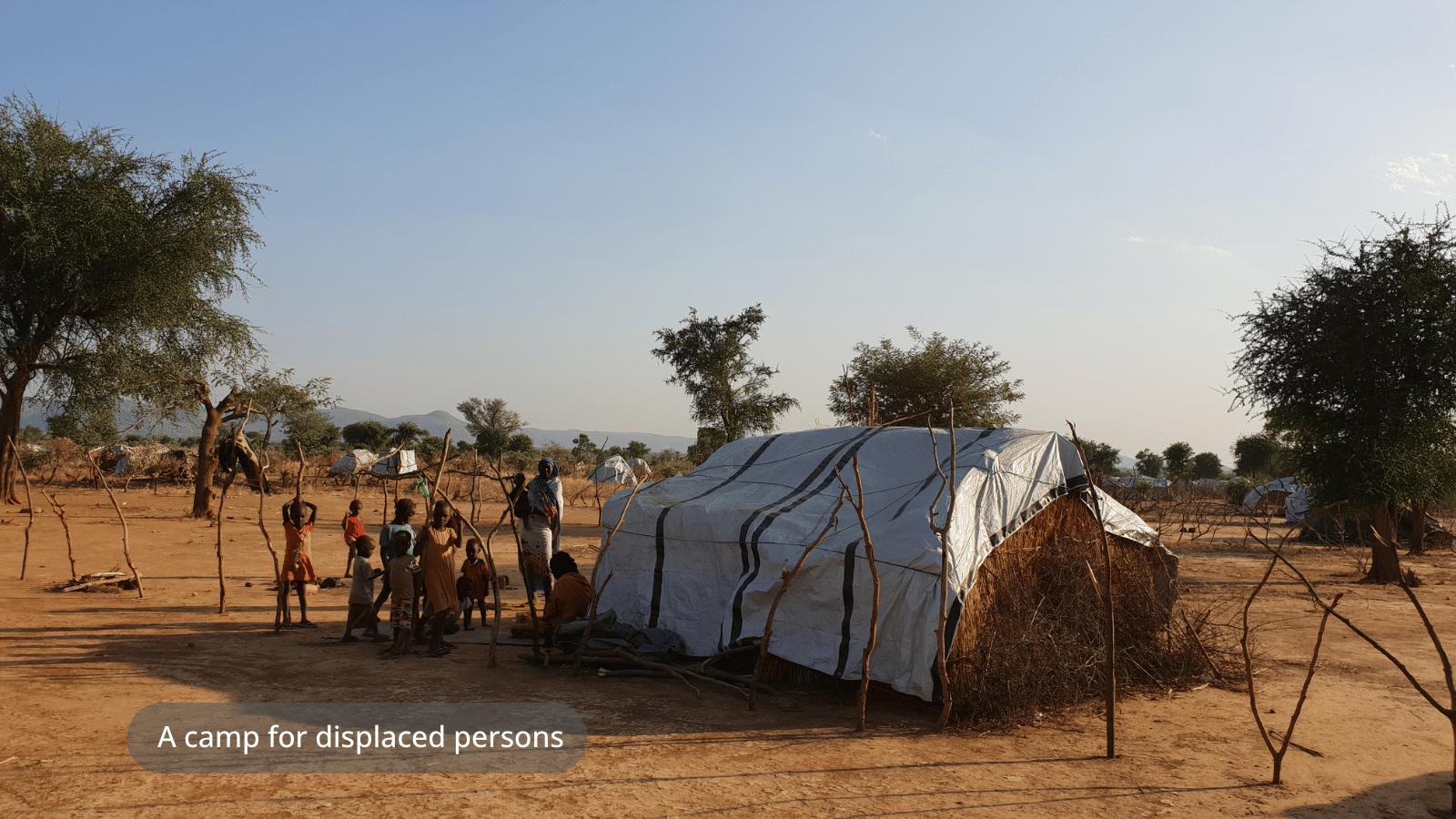
It manifests in: refusing people a voice in their community because of their belief, denying them equal access to public services, or dismissing their dignity as people. Other times it’s systemic discrimination: laws and social practices that target minority faiths, restrict worship, or close doors to education and employment. Then the escalation follows: violence, forced displacement, and the collapse of vital infrastructure; schools, hospitals, and places of worship. Women and children bear the brunt through sexual violence, forced marriage, or orphanhood. Men and boys are conscripted into armed groups or forced into hiding. Finally, society fractures and decays, as investments lessen then disappear, economies weaken, and public trust collapses. Insecurity becomes normal, rights become fragile, and fear governs daily life. What began as prejudice ends as national decline.
This is not theory. It is a pattern the world has seen repeatedly. Intolerance corrodes societies from within; it destroys the possibility of peace long before a single weapon is drawn. That is why it must be confronted early and deliberately, by those who still have the power to stop it.
2. The Responsibility of a Generation
Youth are the present and the future of Africa. But the future belongs to those who prepare for it today (Malcolm X). It belongs to those willing to shape it. The Africa envisioned in Agenda 2063: peaceful, united, and prosperous, will not emerge by chance. It will be built by the generation that refuses to repeat the mistakes of intolerance and division. As young Africans, we are the inheritors of both the continent’s pain and its promise. The choices we make today, how we treat people who believe differently, how we speak about faith, and how we use our voices, will determine what kind of legacy we leave behind. Do we want to be remembered as a generation that watched freedom fade, or one that defended it with courage and compassion?
3. How the Youth Can Make a Difference
Protecting FORB does not require a position of power. It begins with how we live, lead, and influence our immediate environments. The following are practical and realistic ways youth can act where they are:
- Educate Yourself and Stay Informed Knowledge builds conviction. Take advantage of free online courses, podcasts, and public lectures on FORB, human rights, and peacebuilding, by learning from credible African and global sources. It’s just as important to stay informed about current events by knowing where FORB is under threat and why. This is because awareness sharpens discernment and prepares you to respond intelligently, not emotionally.
- Shape Conversations and Challenge Intolerance In schools, workplaces, and digital spaces, we need to be a voice of reason and justice. This means we have to speak up when people are demeaned for their beliefs, by challenging stereotypes respectfully but firmly. Conversations, especially among peers, set the moral temperature of a community. Therefore, through visible actions it’s important to demonstrate that intolerance is not courage, and silence is not neutrality.
- Act for the Common Good Every community has shared needs: security, education, jobs, clean environments, and opportunity. When you contribute to solving these issues, you are indirectly protecting FORB. Why? Because, intolerance thrives in environments of frustration, poverty, and hopelessness. Building your community’s well-being through business, innovation, or civic engagement, is a way of defending peace itself.
- Focus on What Unites, Not What Divides No relationship or human interaction is free from disagreement or conflict. The difference between whether there is peace or discord (despite these differences) will depend on how we attempt to resolve these differences. This is why it’s important to consider the bigger picture and avoid turning disagreements personal. We need to learn and practice how to negotiate, to compromise, and find middle ground. Whether in families, classrooms, or workplaces, choose solutions that prioritize people’s well-being over winning arguments. Ask the hard but honest question: Has someone’s different belief truly harmed me? The answer, more often than not, is no. Divisions serve no one; unity serves and benefits everyone.
- Promote Growth-Minded Leadership Africa’s greatest challenge is not difference; it is stagnation. Poverty and conflict are our shared enemies. As youth leaders, business owners, teachers, or civil servants, it’s necessary to model leadership that seeks solutions, not scapegoats. Lead in ways that attract investment, open doors for others, and show that stability and inclusion are prerequisites for progress.
- Organize, Mobilize, and Sustain Action Gathering peers to host dialogues, awareness events, or community initiatives is another useful action that can be taken by Youth. It can entail partnering with local institutions such as schools, faith communities, or youth groups to include FORB and peaceful coexistence in leadership trainings and development programs. When young people organize consistently, they change not just opinions but structures.
Securing the Future
Freedom of Religion or Belief is not only a right to defend; it is a responsibility to live. It defines the moral climate in which all other freedoms survive. The Africa we envision under Agenda 2063, an Africa of peace, prosperity, and dignity depends on how this generation handles difference. To protect FORB is to protect the future. The legacy we leave will not be written in treaties or conferences alone, but in how we treat the people beside us every day. So, let us ask ourselves honestly: when the story of our generation is told, will it be said that we preserved freedom, or that we let it die in silence?