Over the past three years, the Peace and Security Council (PSC) of the African Union (AU) has made a series of decisions and pronouncements focused on preventing and combating terrorism and violent extremism in Africa. Meetings held on 23 October 2024, 19 March 2025 and on 15 August 2025 have informed the latest communique issued by the body. Drawing on insights from the previous gatherings, the meeting held at Ministerial Level on 21 July 2026 on Countering Terrorism and Violent Extremism in Africa concluded with several important statements, observations and suggestions, which included:
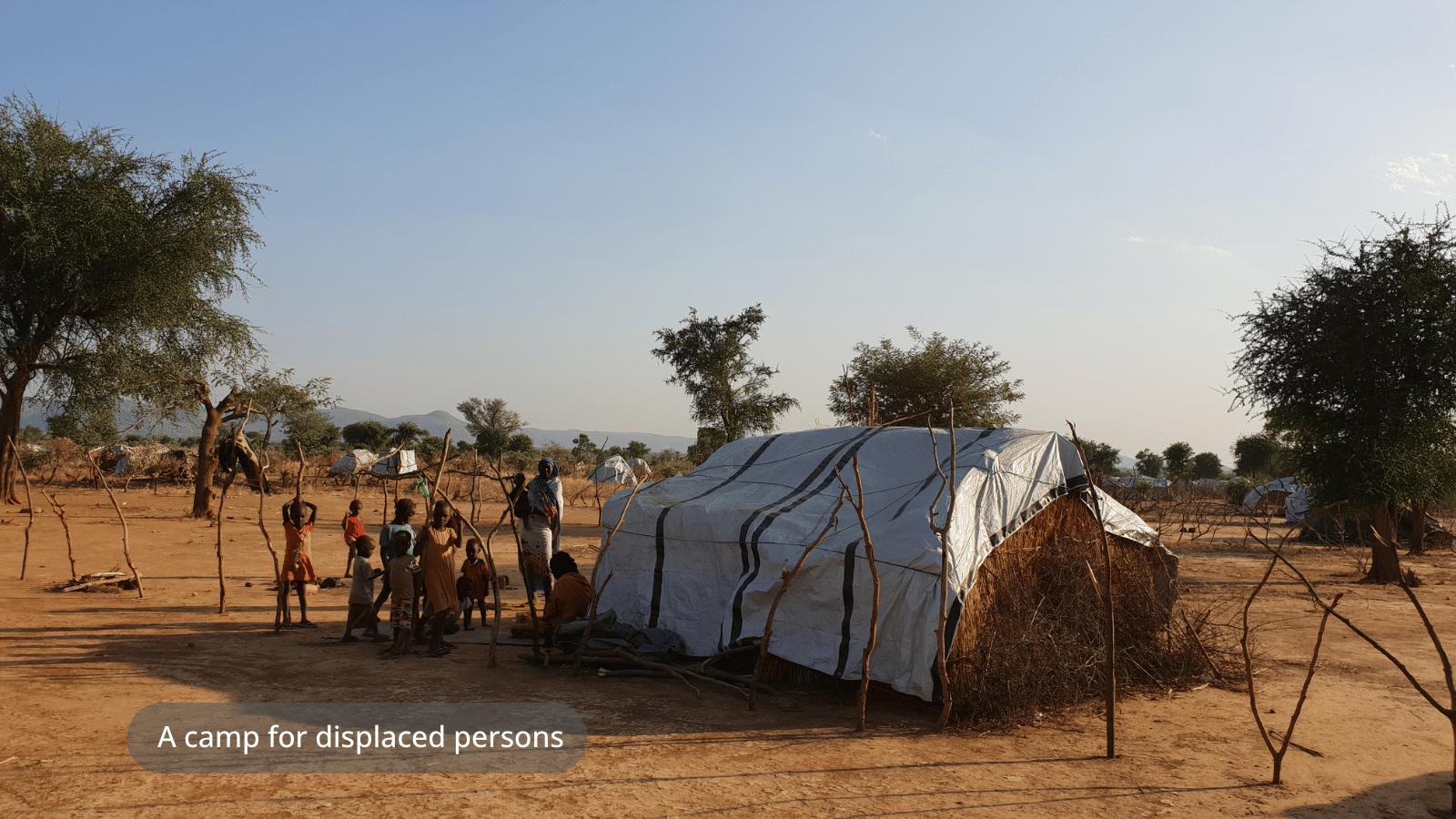
- CONDEMNATION OF ALL TERRORIST ATTACKS across the Continent, particularly in the Sahel, the Lake Chad Basin, the Horn of Africa, the Great Lakes region (eastern DRC) and northern Mozambique, which have resulted in devastating consequences, including the loss of civilian lives, especially of women and children, the destruction of critical infrastructure, the disruption of livelihoods, and mass population displacements that create severe humanitarian crises.
- MEMBER STATES CAN FULLY IMPLEMENT ALL COUNTER-TERRORISM MEASURES in strict compliance with international law, including International Humanitarian Law (IHL), International Human Rights Law (IHRL), and international refugee law. The AU Commission can also urgently finalise the African Arrest Warrant and the AU Data Bank of terrorist groups and individuals supporting or facilitating the activities of terrorist groups/ organizations in order to further enhance judicial cooperation, cut terrorist lifelines and deny safe havens to terrorist actors who exploit jurisdictional gaps across borders
- DEEP CONCERN OVER THE EVER-INCREASING CHALLENGES posed by terrorist groups which continue to expand their operational reach and capabilities across the Sahel, Lake Chad Basin, the Horn of Africa, the Great Lakes region and parts of Southern Africa.
- THE GROWING SOPHISTICATION AND ADAPTABILITY OF TERRORIST OPERATIONS which has recently included the use of improvised explosive devices (IEDs) and unmanned aerial vehicles (drones), coordinated assaults on military installations, targeted attacks against urban centres and critical infrastructure, and the exploitation of emerging digital technologies for propaganda, recruitment, and operational planning.
- THE ROLE OF WOMEN AND YOUTH AS AGENTS OF CHANGE, in the prevention of, and fight against terrorism and violent extremism across the continent. Many men and women have paid the ultimate sacrifice at the forefront of the fight. Consequently, AU member States can formulate targeted strategies aimed at preventing radicalization and recruitment, particularly among youth, women, and vulnerable communities, by expanding access to education, establishing deliberate socio-economic empowerment programmes, community engagement, and counter-narrative strategic communications.
- SOURCES OF FUNDING NEED CONCERTED EFFORT TO BE STOPPED. Payment of ransom, illicit trafficking of arms, drugs, persons and natural resources, as well as any form of military, logistical or political support needs to stop so that terrorists are deprived of financial means.
- ARMS AND AMMUNITIONS SHOULD NOT BE SOLD TO NON-STATE ACTORS. AU Member States can take appropriate measures to ensure that illegal armed groups are not able to easily purchase weapons. Additionally, the private sector, particularly financial institutions and technology companies, can cooperate with Member States in monitoring and disrupting the misuse of digital platforms for terrorist recruitment, propaganda, financing, and operational coordination.The AU Commission can also develop a continental framework on countering the terrorist use of emerging technologies, including drones, encrypted platforms, and digital finance.