As a country, Mali’s crisis comes from a series of long-standing problems. In recent years, the growth of jihadist groups and shifting political alliances, has made it harder for Christians to worship freely. While the majority of Malian Christians reside in the southern regions around Bamako, Sikasso, and Kayes, they are increasingly affected by the expansion of jihadist influence from northern and central Mali. Northern areas like Timbuktu, Gao and Kidal, have seen militant Islamist groups extend southward, particularly in rural zones, bringing violence, intimidation and the threat of religious cleansing closer to Christian population centers. Central regions such as Mopti and Ségou have become targets, where attacks on churches, abductions of pastors and the closure of Christian institutions have intensified.
Less than 3% of Malians are Christians who mostly follow Roman Catholicism. While southern communities enjoy relative religious freedom, threats of violence and kidnapping by violent Islamist groups have grown steadily. Converts from Islam face a great risk. They are seen as apostates, and many experience rejection from their families and targeted attacks from extremists. Primarily found among the Bozo and Dogon peoples, converts from Islam face pressure not only from jihadist actors but also from their families and communities to renounce Christianity.
Here are ten facts about the state and experiences of believers in Mali.
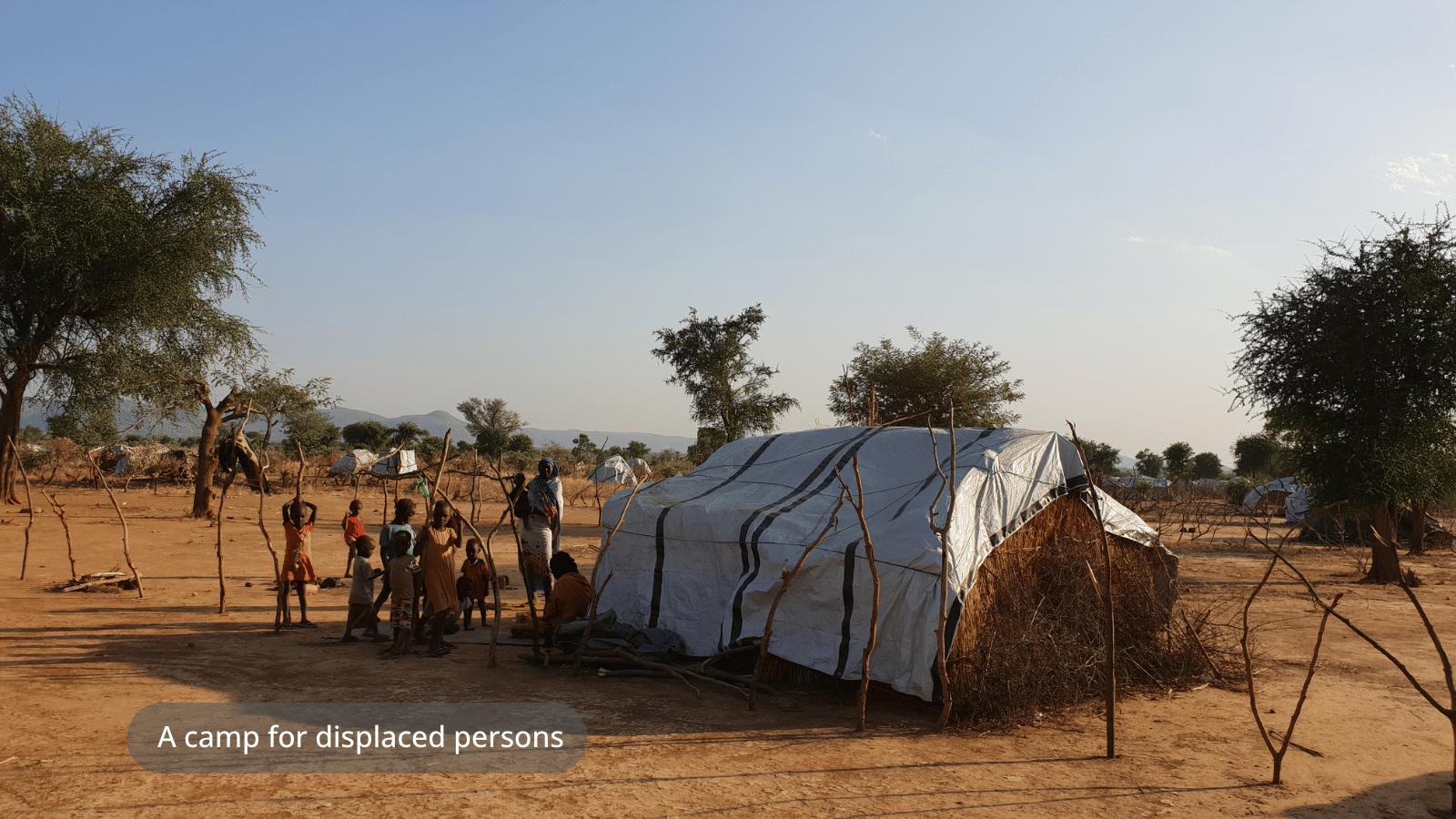
Religious expression is increasingly perilous for Christians. Church leaders face abduction, execution, or forced displacement. Churches and faith-based schools have been closed, and Christian civil servants pressured to conceal their faith. Christians in urban centres like Bamako, do retain limited spaces for worship, though they face growing scrutiny.
Targeted attacks on Christian homes and businesses are used to impoverish families and weaken communities. Christians, particularly converts, are pressured through social rejection, or reduced access to jobs or education. Married converts may also be forcibly divorced from their spouse.
Christians lack political representation and face discrimination in the civil service. Known believers may be denied employment, security and social services. Though Mali’s constitution protects religious freedom, militants reject state authority and enforce parallel Islamic rule. Converts, missionaries and aid workers are vulnerable to kidnapping, extortion, or execution.
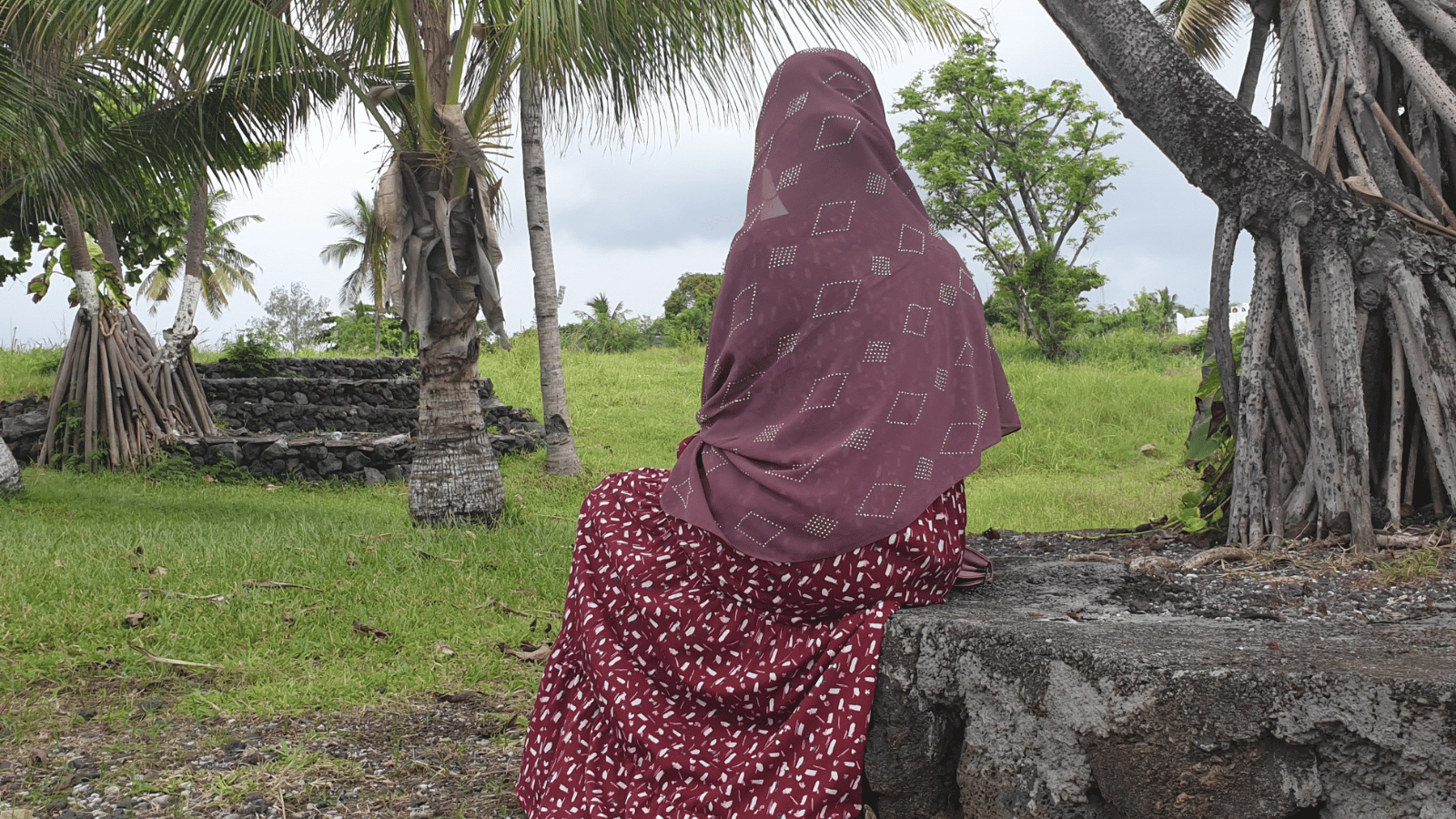
Resurgent attacks by Islamist militants threaten female Christians with abduction and forced marriage. Female converts are most vulnerable to harassment, threats, sexual abuse, physical violence and even killings. Unmarried converts will be forcibly married, and married converts divorced, possibly losing their children. Expulsion from family homes also increases vulnerability due to lack of support.
Christian males are subjected to death threats and violent, physical attacks. Those in more remote areas are at risk of abduction, death and forced recruitment at the hands of violent groups, frequently jihadists. Christian boys may be separated from their parents and moved to safer areas for protection. Targeted attacks on Christian homes and businesses are used to impoverish families and weaken communities. Christians, particularly converts, are pressured through social rejection, or reduced access to jobs or education. Married converts may also be forcibly divorced from their wives.
Mali ranks 15th in the 2026 World Watch List (an annual index produced by not for profit, Open Doors). This marks a one-point rise from WWL 2025, which has been driven by heightened violence. According to local researchers, at least 10 Christians were killed in 2025 during armed attacks by extremist groups across central and northern Mali. Attacks occurred in small villages where Christians were targeted for refusing to comply with demands to abandon their faith or support insurgent activities.
In the past year, armed groups have intensified their campaign against Christian communities, attacking and destroying at least 100 churches, Christian schools, and community properties across central Mali, particularly in areas like Bandiagara, Koro, Bankass and Mopti. Worship spaces were burned, looted, or confiscated, forcing congregations to abandon their sanctuaries.
Hostility toward Christians is growing beyond the north. In central Mali, sermons often depict Christians as threats. Churches are destroyed, believers monitored, and Christian women face abduction or forced marriage. Known Christians may be denied employment, security and social services
Christian schools are targeted for closure or conversion to madrassas. Christian teachers face threats or dismissal, and children may be forced into militant-led religious instruction. Churches in militant zones face destruction or forced closure. Rebuilding efforts are blocked. Christian leaders operate in secrecy, and public
worship in many regions is no longer possible.
Two major Islamist militant networks, dominate the landscape, enforcing strict religious control and targeting Christian presence across contested regions. Earlier factions such as Ansar Dine remain relevant because of their ideological legacy and their role in shaping the broader insurgency.