The third seminar session focuses on creating a documentation plan for human rights violations, emphasizing ethical obligations, legal standards, and practical steps for NGOs, with a particular focus on credibility, risk mitigation, and leveraging technology.
The session guides participants through developing a documentation plan for human rights violations, tailored for Christian NGOs documenting issues like religious persecution. It underscores aligning documentation with ethical and legal standards to ensure credibility and reliability. Key points include:
Ethical and Legal Obligations: Christian NGOs are expected to uphold high ethical standards (honesty, transparency) alongside legal compliance. Credibility depends on professional documentation practices, as small errors can undermine reputation. Legal frameworks, such as Nigeria’s Freedom of Information Act, support NGO documentation but require awareness to navigate shrinking civic spaces.
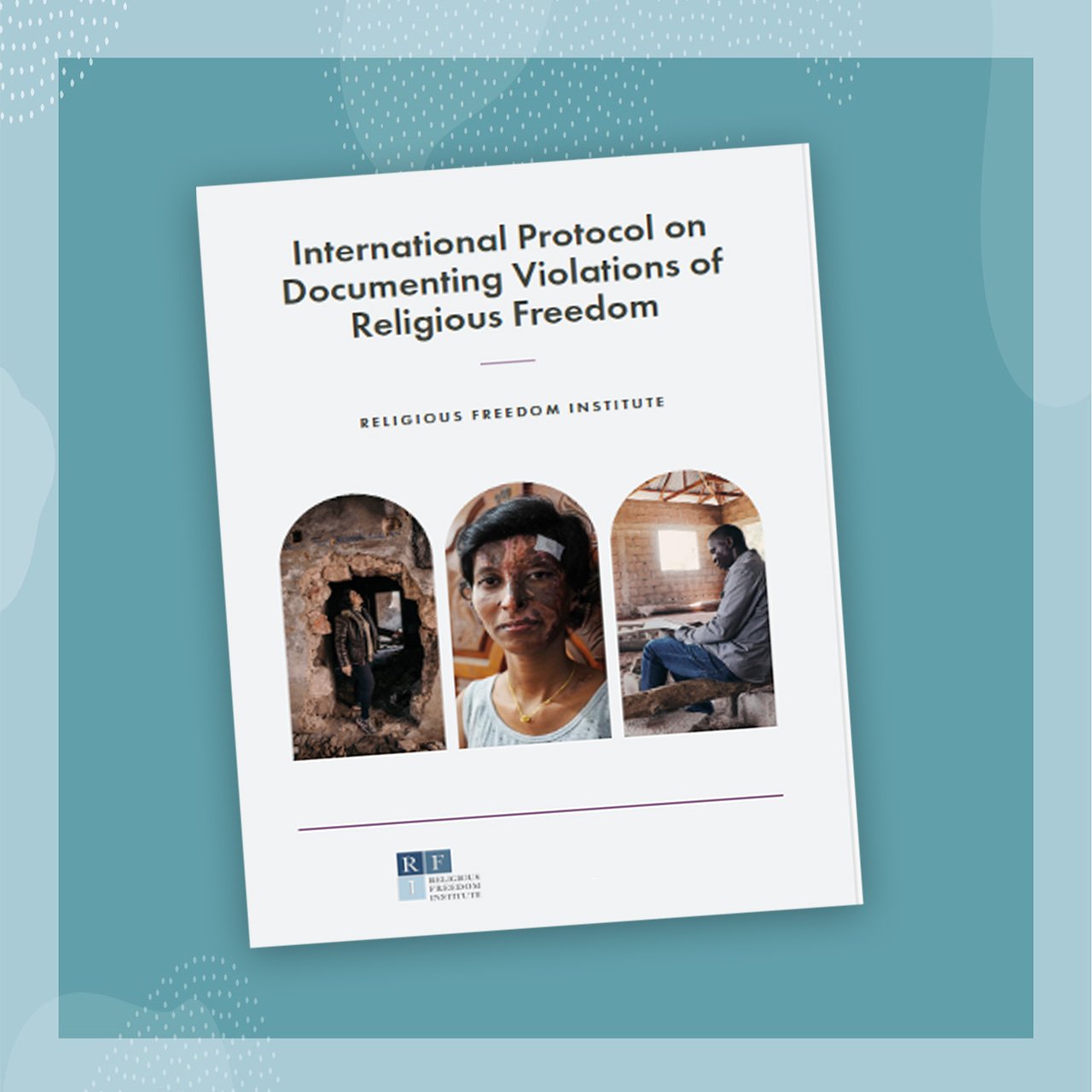
Documentation Plan: A documentation plan is a master strategy outlining objectives, stakeholders, and methods (pages 56-57 of the protocol). It involves preliminary research into the operational environment (e.g., volatility, troop movements) to assess feasibility and avoid duplicating efforts. The plan defines the purpose (e.g., court submissions, UN reports) and methods (e.g., interviews, satellite imagery) while ensuring no harm, especially to vulnerable groups like children or trauma victims.
Practical Steps: NGOs must assess their skills and resources, using tools like databases (e.g., Wasi, Syrian Archive) and apps (e.g., Eyewitness to Atrocities) for secure data collection. Satellite imagery from free sources like Google Earth Pro or Sentinel-2 can verify incidents or track patterns, such as seasonal attacks in Nigeria. Equipment planning includes separating personal and work devices to protect safety and data integrity.
Chain of Custody and Confidentiality: A robust system to record documentation steps (e.g., schedules, coded data) ensures evidence admissibility in legal settings, maintaining confidentiality to protect sources. Consent forms and information sheets, translated for accessibility, are critical for informed consent.
Risk Mitigation: Ongoing risk assessments prevent harm to documenters, victims, and evidence. NGOs must avoid interfering with existing investigations or retraumatizing victims by over-questioning, which can compromise testimony credibility.
Exercise: Participants create a rudimentary documentation plan based on a video of a jihadist attack in Burkina Faso, using pages 56-57 as a guide. The exercise encourages practical application, considering stakeholders, data sources, and risk factors, with group discussions and feedback.
The session emphasizes methodical preparation to produce credible outputs, urging NGOs to leverage free resources (e.g., Amnesty International’s Human Rights Academy) while balancing ambition with capacity to avoid overreach.