Defining Freedom of Religion or Belief (FORB)
1. Understanding Religious Freedom within the International Human Rights Framework
Freedom of religion or belief (FORB) is universally recognized in human rights law as the liberty of all individuals to hold, adopt, change, or renounce a religion or belief. It protects all kinds of beliefs: religious, non-religious, and even the choice not to believe. People can practice their faith alone or with others, in private or in public.
This right is set out in Article 18 of the Universal Declaration of Human Rights (UDHR) and the International Covenant on Civil and Political Rights (ICCPR). They explain two key ideas:
- Internal Freedom of Conscience – which is absolute and cannot be limited.
- External manifestation of religion or belief – which can only be limited in rare cases, such as to protect public safety or the rights of others.
Importantly, FORB cannot be interpreted in ways that undermine other rights; it must always be applied consistently with principles of universality, equality, and non-discrimination.
2. What are Human Rights?
Human rights are basic freedoms and protections that every person has just because they are human. Some use the word ‘human dignity’ to explain this concept of the intrinsic worth of a human being.
Even though the term ‘human rights’ is comparatively recent in origin, the idea of human beings having intrinsic rights is ancient and can be traced to early civilizations in Babylon, China, India, Greece, and Rome. The roots of human rights come from people’s reflections on fairness, morality, authority, and the connection between humanity and the Divine.
After the First World War, the League of Nations introduced early systems for protecting the rights of racial, religious, and linguistic minorities. This helped lay the foundation for modern human rights, including FORB. Article 2 of the UDHR says that all people are entitled to the same rights, regardless of race, religion, gender, language, or background.
3. Protections and Interpretations in International Law
Religious freedom is safeguarded across several legal frameworks:
- International Human Rights Law (IHRL): Applies at all times, whether in peace or conflict. States must respect (not interfere), protect (stop others from violating), and fulfill (create conditions that allow) FORB. Guaranteed through the ICCPR, ICESCR, CEDAW, CRC, Refugee and Stateless Persons Conventions, and other treaties.
- International Humanitarian Law (IHL): In armed conflict, religious sites, symbols, and leaders must be protected; attacks on them are forbidden.
- International Criminal Law (ICL): Acts like genocide, persecution, or war crimes targeting religious groups are punishable under the Rome Statute of the International Criminal Court.
- Regional Human Rights Law: The African Charter, the American Convention on Human Rights, the European Convention, and the Arab Charter and Islamic Declarations provide additional protection for FORB.
4. Elements of Religious Freedom under International Human Rights Law
FORB consists of several elements, each with its own legal protection:
- Freedom to adopt, change, or renounce a religion or belief: This is absolute. No one can be forced to follow, reveal, or leave a religion.
- Freedom from coercion: Individuals and communities cannot be compelled to accept or renounce beliefs through threats, violence, or restrictions on access to services.
- Right to manifest religion or belief: Includes worship, observance, teaching, and practice, whether public or private, individual or collective. It also protects parents’ right to guide their children’s religious education.
- Conscientious objection: People can refuse military service for genuine religious or moral reasons.
- Non-discrimination: Everyone has the right to equal treatment regardless of religion. States must combat intolerance and promote respect.
5. Lawful Limitations on Religious Freedom
Certain aspects of FORB, such as freedom of thought or the right to choose your beliefs, can never be limited. Other parts, namely public expression of religion, can only be limited by law and only when needed to protect safety, public order, or others’ rights. Any limit must be fair, necessary, and not discriminatory.
6. Protecting the Religious Freedom of Groups at Risk
Certain groups face greater exposure to violations of FORB and therefore require special attention:
- Women: Often experience less visible but serious violations (limits on clothing, unequal treatment, forced practices). No religious or cultural practice can take away women’s right to equality.
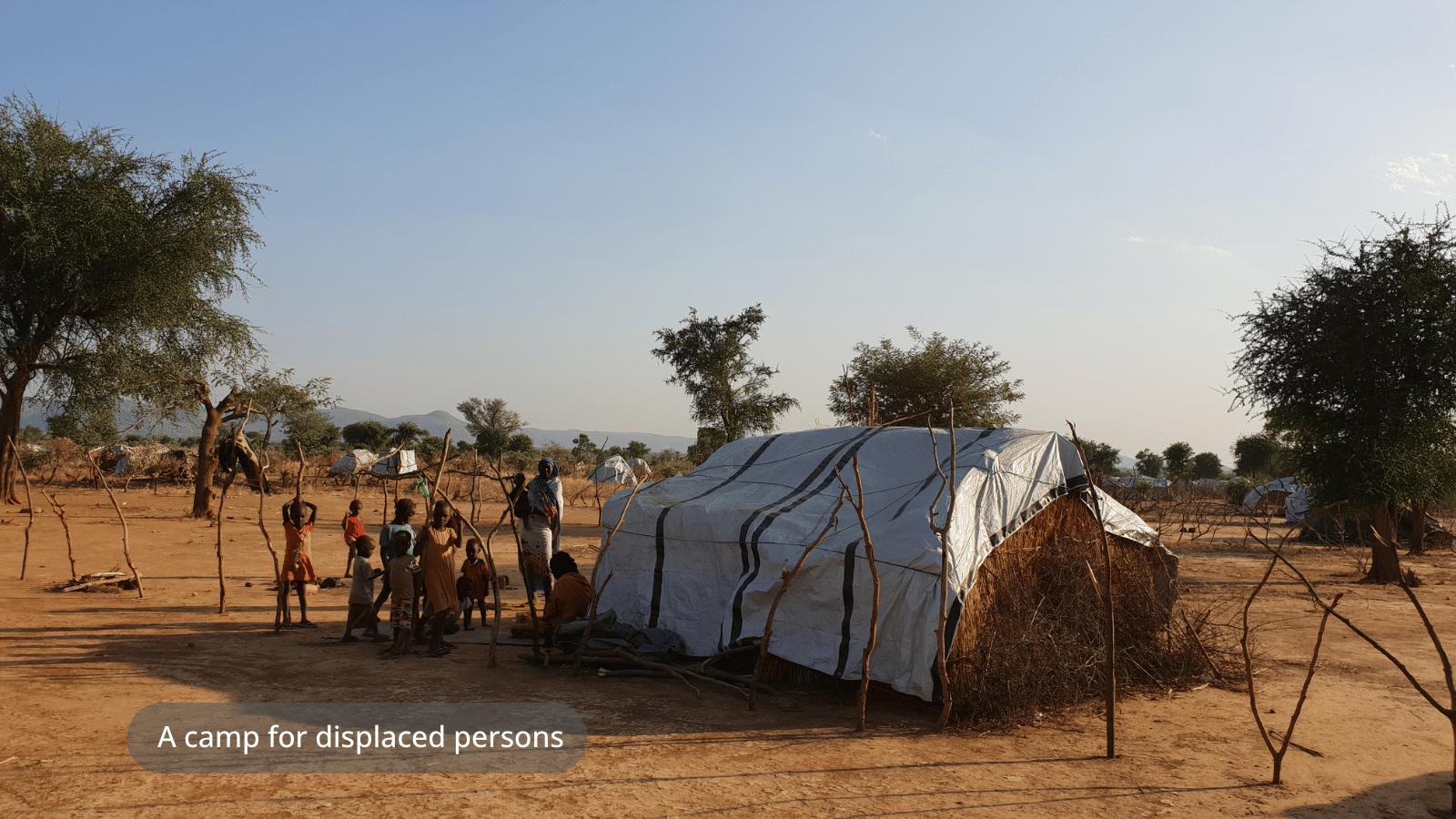
- Refugees and Internally Displaced Persons (IDPs): Still have the right to practice their faith wherever they live; host countries should help make that possible.
- Children: Parents may guide their children’s upbringing according to their convictions, but children cannot be forced into religious education against their parents’ will. Public education must remain neutral.
- Religious and Belief Minorities: Protected in their right to practice their faith and keep their identity without government interference.
- Migrant Workers: Retain FORB protections regardless of status.
- Persons Deprived of Liberty: Prisoners retain the right to worship, follow dietary rules, meet religious leaders, and access religious materials.
7. Intersection with Other Human Rights
FORB is deeply interconnected with other rights:
- Freedom of Expression and Association: Essential for teaching, sharing, and practicing beliefs.
- Right to Life and Liberty: Violations of FORB often involve arbitrary detention, harassment, or killings.
- Prohibition of Torture: Many religious persecution cases involve torture or degrading treatment targeting religious identity.
Because human rights are indivisible, protecting FORB strengthens the protection of all rights. Conversely, violations of religious freedom often signal broader patterns of abuse and systemic discrimination.