If you were a civilian in Sudan, the past 2.5 years would have been years of unimaginable desperation as fighting between the Sudan Armed Forces and the rival Rapid Support Forces has continued unabated. Civilians have faced horrific violence. And while all are affected, Christians are even worse off because they live as an unwanted minority in their homeland. Nowhere is safe.
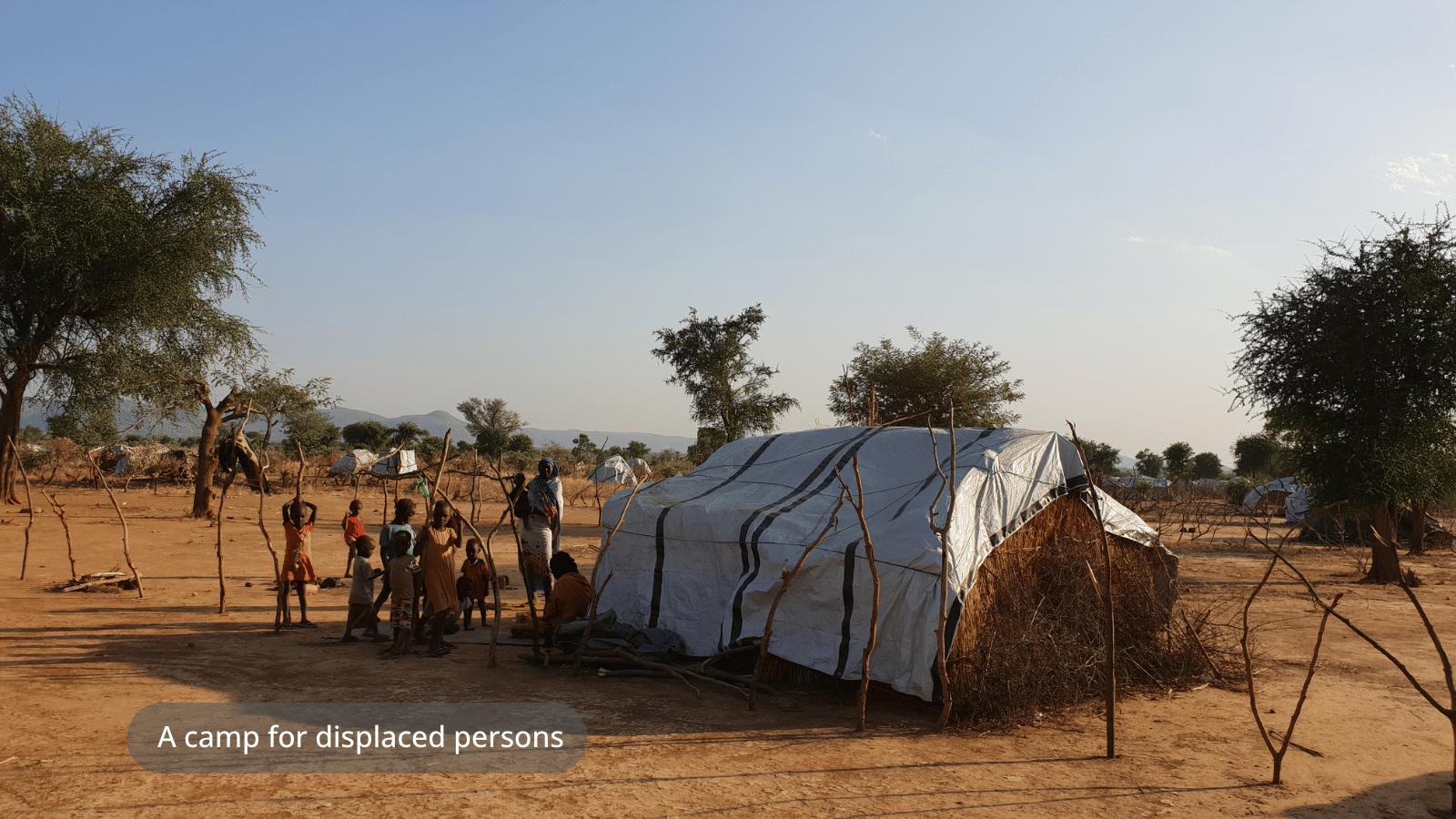
Since fighting started in April 2023, more than 150,000 people are estimated to have been killed. Sudan has now also become the world’s largest internal displacement crisis with over 10 million people uprooted internally, and nearly four million having fled to neighboring countries. Food insecurity has reached historic levels, with continued constraints on access for relief organizations.
Who is fighting, and which regions do they dominate?
The fighting is between the Sudan Armed Forces (SAF) led by Gen Abdel Fattah al-Burhan and the Rapid Support Forces (RSF) led by infamous Gen Mohamed Hamdan Dagalo, aka Hemedti.
The RSF originated from the notorious Janjaweed militia formed to fight rebels in Darfur under the rule of former president al-Bashir and were eventually accused of genocide and ethnic cleansing. They helped overthrow al-Bashir during the popular uprising of 2019. Then, in 2021, it allied with SAF to overthrow civilian Prime Minister Abdalla Hamdok, ending the civilian-military transition government.
But tensions grew between Hemedti and al-Burhan over when the RSF and SAF would merge, and which group would lead. The main dispute in the war that broke out on April 15, 2023 is who will lead the country, with SAF demanding that the RSF integrate fully into its ranks and command structure.(Al Jazeera)
The SAF currently controls most of the north and the east of the country, including the capital Khartoum, having won it back earlier this year. But the battle left the city in ruins. BBC reported that government ministries, banks and towering office blocks stand blackened and burned. Hospitals and clinics have also been destroyed, hit by air strikes and artillery fire, sometimes with patients still inside. The city remains unsafe as drone attacks on SAF sites and strategic infrastructures, like the airport, have resumed in recent days.
Port Sudan, a city on the Red Sea is now the headquarters of the SAF, but it too faces lingering insecurity. In March it suffered a massive drone strike.
The SAF also managed to win back control of most of the crucial state of Gezira after the capital Wad Madani came under severe attack and subsequent RSF control in late 2023. These battles too, sent hundreds of thousands of displaced fleeing again, after they had settled in the city to avoid fighting elsewhere.
The RSF has formed a rival government, raising fears that Sudan could split for a second time. (South Sudan seceded in 2011, taking with it most of the country’s oil fields.)
They control most of the expansive Darfur (in the Southwest) and neighboring Kordofan provinces (to the east of Darfur). The most intense fighting in recent weeks has occurred around the North Darfur capital, El Fasher. It was the last city in that region that was not under RSF control. Last week, after more than 18 months of brutal fighting, the RSF took the city.
It is expected that the battle will now move towards El Obeid, the oil-rich capital of city of North Kordofan.
Talks, but no real action toward peace
Several mediation initiatives have been launched since the start of the war, but with limited success. The African Union has also been unable to get the main warring parties to agree to a permanent ceasefire.
Current peace mediation efforts are led by the US, Egypt, Saudi Arabia and the United Arab Emirates. Known as the Quad, the initiative battles internal division over balancing support for the SAF, curbing Islamist influence and managing regional interests, as Samir Ramzy pointed out. There are renewed accusations against the United Arab Emirates of alleged complicity in the atrocities perpetrated by the notorious paramilitaries. British manufactured small arms and engines for armored personnel carriers have also been recovered from combat zones, likely to cause scrutiny of British arms exports to the UAE.
It has been widely documented that the UAE is the RSF’s main donor, but this is a claim they have denied.
Sources have told ServAfrica that unless the international partners accused of abating and abetting the war are held to account along with the warring factions, peace talks will remain talks alone – “fighters will get up from the negotiations and go right back to fighting,” a source told OD.
“fighters will get up from the negotiations and go right back to fighting”
Civilians targeted
Evidence of shocking human rights abuses against Sudan’s civilians are emerging. Most of the reports have pointed the finger at the RSF, but sources in Sudan have told Open Doors that neither side nor their allies are innocent of targeting civilians.
Reports have emerged that RSF fighters may have executed more than 2,000 civilians in El Fasher. Despite pledges to provide safe passage in their fight for the city, thousands of citizens have faced abuses, including arrest, torture, and death. Middle East Eye reported that militia have filmed themselves committing atrocious acts against defenseless, fleeing civilians.
A research team at Yale University told BBC that satellite images show the RSF disregarding international law by intentionally targeting civilians in El Fasher.
“These actions should be considered war crimes, the research team says… We’re looking at the growth of an entire new burial area with over 60 new mounds that have been built in just a two-week period,” Caitlin Howarth, from the university’s Humanitarian Research Lab (HRL), told the BBC.
These actions should be considered war crimes… We’re looking at the growth of an entire new burial area with over 60 new mounds that have been built in just a two-week period
A UN investigation into genocide earlier ruled out genocide but stated that war crimes had been committed by both sides of the conflict. However, in January the US determined that the RSF and allied militias have committed a genocide.
Former Secretary of State Anthony Blinken said: “The RSF and allied militias have systematically murdered men and boys – even infants – on an ethnic basis, and deliberately targeted women and girls from certain ethnic groups for rape and other forms of brutal sexual violence.”
“Those same militias have targeted fleeing civilians, murdering innocent people escaping conflict, and prevented remaining civilians from accessing lifesaving supplies. Based on this information, I have now concluded that members of the RSF and allied militias have committed genocide in Sudan,” he added.
“Those same militias have targeted fleeing civilians, murdering innocent people escaping conflict, and prevented remaining civilians from accessing lifesaving supplies”
The ICRC in a statement released on Oct 29 stated that they are “deeply alarmed and profoundly shocked by growing reports from media outlets, public sources and first-hand testimonies about horrifying atrocities and immense suffering to which people from Al Fasher are being subjected – trends that we are also seeing in other areas such as the Kordofans [east of Darfur].”
How are Christians affected?
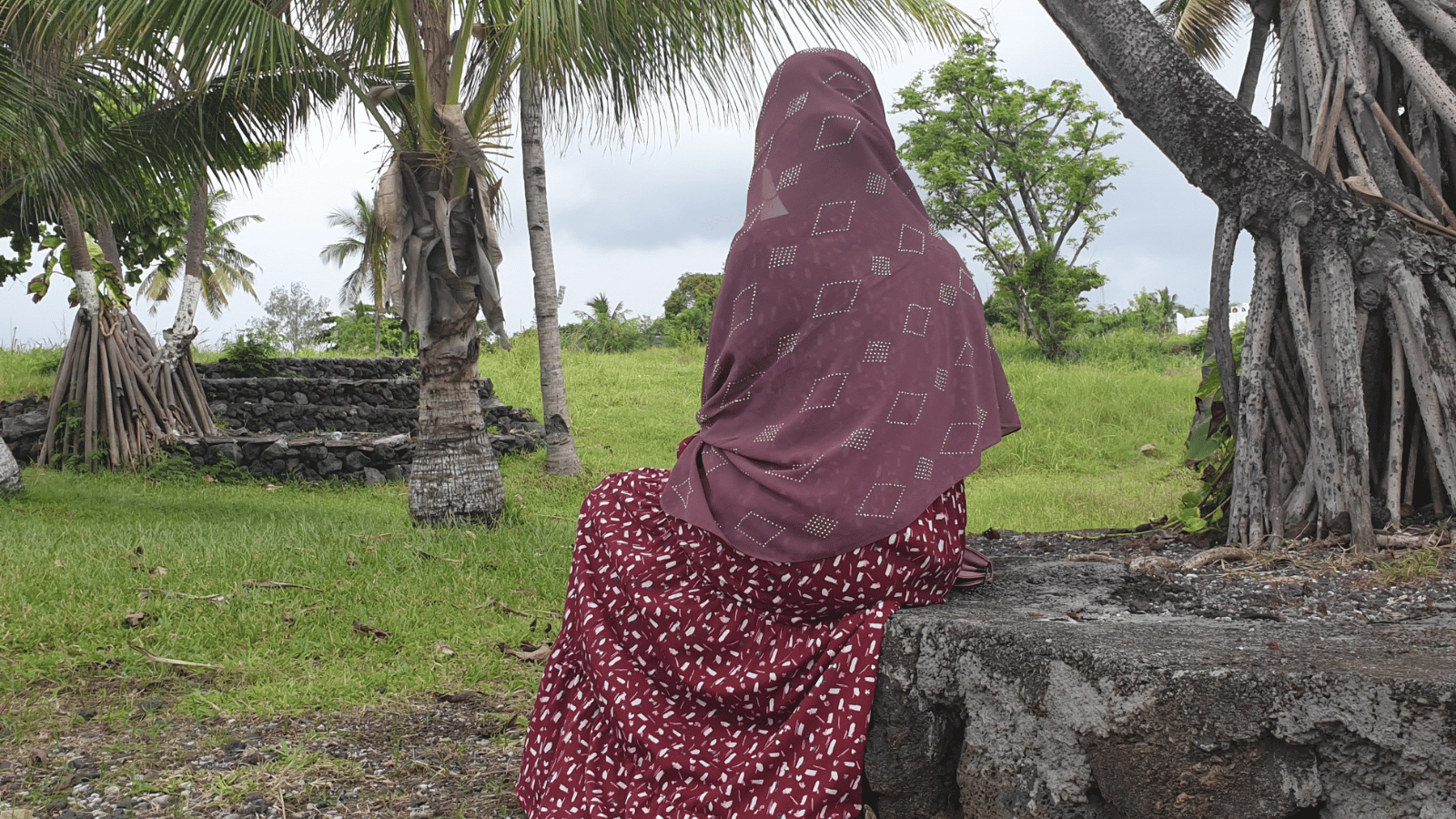
Christians (about 4% of the population) live in Sudan as an unwanted minority. This precariousness has drastically worsened, particularly since October 2021 when the coup took place.
Both sides operate from a radical Islamic ideology. Neither have shown any respect for freedom of religion or belief towards Sudan’s Christians who navigate a desperate humanitarian situation with the rest of civilians, but with the added complexity of being viewed with suspicion and treated as an enemy of Sudan.
Examples of specific incidents against the church this year include:
- In August local authorities of the city of Wadi Halfa forced a group of Christians huddling together under the care of a local pastor since the start of the war, to disperse. They were prevented earlier from celebrating Christmas because they didn’t have permits required for church services. Priests were interrogated. There are about 150 Christians who remained in Wadi Halfa but cannot meet due to the restrictions the government has placed on them.
- In August three believers were found dead after having fled South Darfur. It is suspected that they came across RSF forces and were killed for a combination of being Christians and accusations of association with the SAF.
- In August a pastor named Martino Mathiew Miyan was found dead with multiple gunshot wounds in El Fasher. It is assumed he ran into the RSF as he moved around the city. The widow and six children he left behind now face desperate circumstances.
Displaced Christians inside and outside of the country face immense uncertainty. Those who have sought refuge outside of Sudan are often unable to work as they don’t have permits. Even those in Sudan face the similar challenges to find work.
A pastor in Port Sudan told local partners:
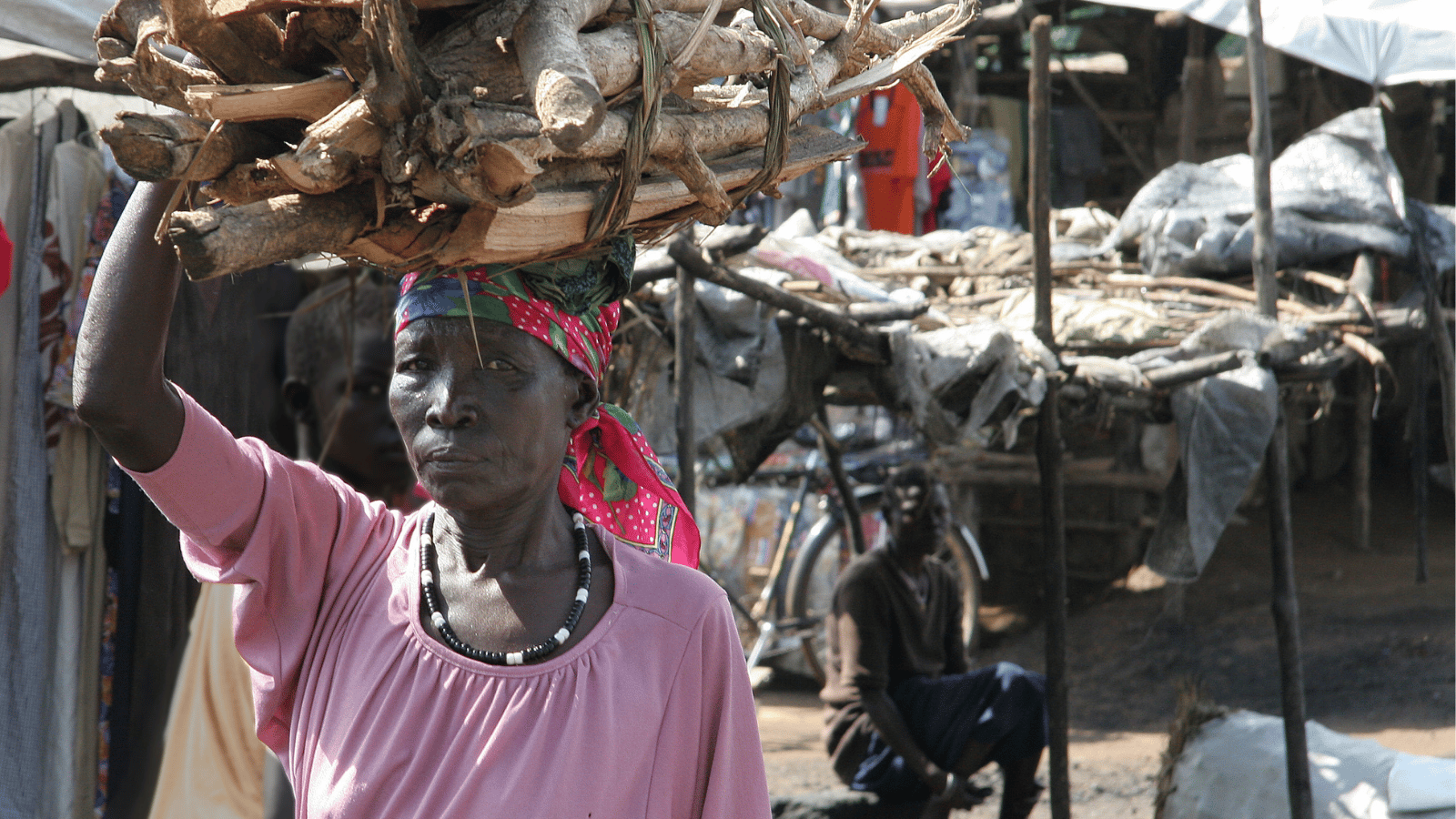
“This war has caused lack of work opportunities, and an increase in the price of goods. Everyone is left hopeless without knowing how to act or to live. You can only eat one meal per day or sometimes nothing at all. People are really living a difficult life.”
“As for me, a servant in the church, the thing most affecting me is that I don’t have a fixed source of income. We don’t receive a salary; I just work and serve Jesus and the church members…. I can’t leave the church to go and look for a job because it will affect the service of the church. I don’t even have money for transportation from one place to another. Today I came with nothing in my pocket. I have less than one dollar to my name, but still, I am thankful and grateful because God is our Provider.”
Trauma is a major concern. A Christian counsellor in Sudan told us:
“Many people do not understand what their problem is. They assume they have other medical [issues], but it is in fact psychological disorders.”
Another church leaders said, “The Church is not aware of (the signs and effects) of trauma and the need for care. It is very sad.”
It is not only the collective trauma civilians in Sudan face that is an issue, but the added complexity of being a Christian in Sudan and the knowledge that nowhere is safe.
Call to action
ServAfrica condemns in the strongest terms possible the continued, unrestrained violence perpetrated against civilians and urges the International Community to do all in is power to end the bloodshed.
We further urge the international community to do all in its power to force international powers who are guilty of prolonging the violence through support to the fighters to immediately cease such activity.
We also call on the international community to acknowledge the increased precariousness of Sudan’s Christian population – both in the targeting of Christians and Christian institutions in the fighting, and lack of access to humanitarian aid.
Unless there is conscious effort to protect the Christians of Sudan, and in so doing the plurality of this society, the future for not only Christians but the entire country remains grim.
Sidebar: Timeline of events
Sudan has experienced significant political upheaval since February 2019, marked by
- the fall of long-time dictator Omar al-Bashir (in Apr 2019),
- a transitional government,
- a military coup (in Oct 2021), and
- an ongoing civil war between the Sudan Armed forces and the Rapid Support Forces (since Apr 2023).