The Forgotten Massacre
When militants attacked the village of Yelwata, a small farming community in Benue State, Nigeria, an estimated 200 people were killed, and thousands were displaced.
The international community and media covered the massacre in detail. Reuters drew attention to “clashes” over resources between herders and farmers. Similarly, Al Jazeera focused on the “clashes” between nomadic groups and settled agricultural communities, characterizing the violence as part of a pattern of attacks stemming from “limited access to land and water.” Amnesty International termed the violence (coupled with additional attacks in Benue during the same time period) and its after-effects a “humanitarian disaster.” The BBC suggested there were a lot of victims on “both sides” and quoted an analyst who painted the violence as an issue of resource scarcity due to environmental degradation. UNICEF placed the violence in the context of an ongoing farmer-herder conflict.
However, despite all the coverage and outcry, it was much rarer to hear from the victims of the massacre—and why they thought the attack had happened.
That may have happened because the answer the victims will give will complicate the narrative.
A Victim Speaks Out
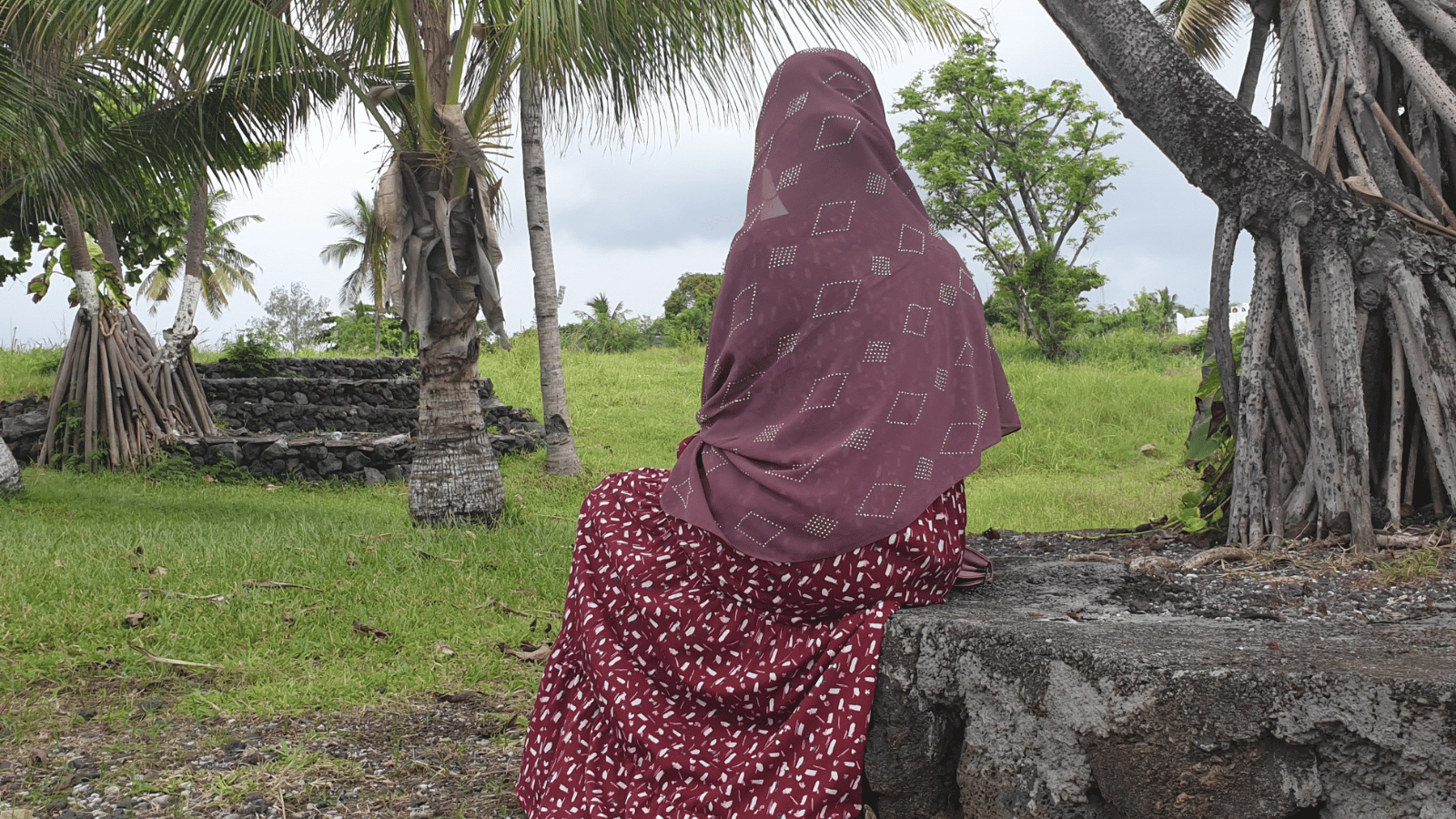
“As for the reason why they attacked us, I feel it is because we are Christians, and they are Muslims trying to take over our agricultural lands,” Simon*, a displaced believer in Benue State, says:
“They forcefully want to convert us to Islam, and because we are not doing that, they keep attacking us until maybe we lose faith.”
It is true that people are attacked in part because of resource scarcity, climate change-related environmental shifts, and ethnic tensions.
But it is important to recognizing those realities does not negate the uncomfortable truth the international community must face: The violence in Nigeria does have a religious component—and the result is a gun pointed at the head of the Christian community.
The Disproportionate Targeting of Christians
Violent displacement is a major issue facing many people in Nigeria—not just Christians. Attacks from Islamic militant groups like Boko Haram and Islamic State West Africa Province (ISWAP) have led to thousands of Nigerians fleeing their homes for safety. Militant Fulani herders have attacked farming communities (of both Christians and Muslims), burning down houses and emptying these areas of those who have owned the land for years. So-called “bandits” have contributed to significant instability, raiding towns and kidnapping ordinary civilians, holding them for ransom.
But the reality is that Christians are disproportionately targeted. For more than a decade, Christians and their communities have been singled out by these extremist groups.
I’m not basing this statement on anecdotal accounts. In a September 2024 report released by Open Doors in cooperation with the International Institute for Religious Freedom and the World Evangelical Alliance, researchers spoke with 292 individuals in Borno State and Plateau State in Nigeria.
In Borno State, violence by Islamic militants in ISWAP and Boko Haram was the overwhelming cause of displacement for those we interviewed. Both extremist groups are driven by radical interpretations of Islam—and both are openly known to target Christians for violence and to drive them off the land.
One interviewee from Borno State spoke of the violence that forced their family to flee several years ago:
“Boko Haram targets people that are working with the church, maybe you have a position like a secretary, you are a target. In every community, they have a list of people they are looking for.”
Life in the Camps
Even after they flee the immediate violence, displaced people from Borno State encounter ongoing difficulty . Many IDPs interviewed said they experienced discrimination when trying to access critical support. Some felt compelled to convert to Islam or to hide their Christian faith when trying to gain aid from government-sponsored IDP camps.
In Nigeria’s Plateau State, researchers found that most of the violence stemmed from attacks on communities by Fulani militant groups. There are debates around the precise nature of what some of these militants want, or the specific religious dynamics. However, interviewees continually pointed to the reality of religious dynamics. One interviewee said that
“when the Fulani gunmen come to attack, they could be heard shouting, ‘Allahu Akbar [Allah is the greatest], we will destroy all Christians …’ .”
A few interviewees also told researchers that prior to the attacks, Muslims in the village would receive advance notice prior to attacks by Fulani militant groups.
Of course, in no way am I suggesting that Muslims also aren’t victims at the hands of Fulani militant groups (or Boko Haram or ISWAP). But it’s clear that there is a level of targeting on the Christian community. Christians are too often left to fend for themselves, fleeing intense violence only to find themselves caught up in one of the worst displacement crises in the world.
We can’t ignore this issue anymore. It’s time to do something to stop it.
When followers of Jesus are violently attacked in Nigeria, a ripple effect in the church happens. Displacement means the church community is gone, and the witness of the church is split apart. When a woman is sexually assaulted, the violence leaves her broken and ashamed, and her community grieving that they could do nothing to prevent the horrific crime. When people are killed, it creates a vacuum where someone once served the Lord and devastates their family.
And these are just the immediate impacts of the attacks.
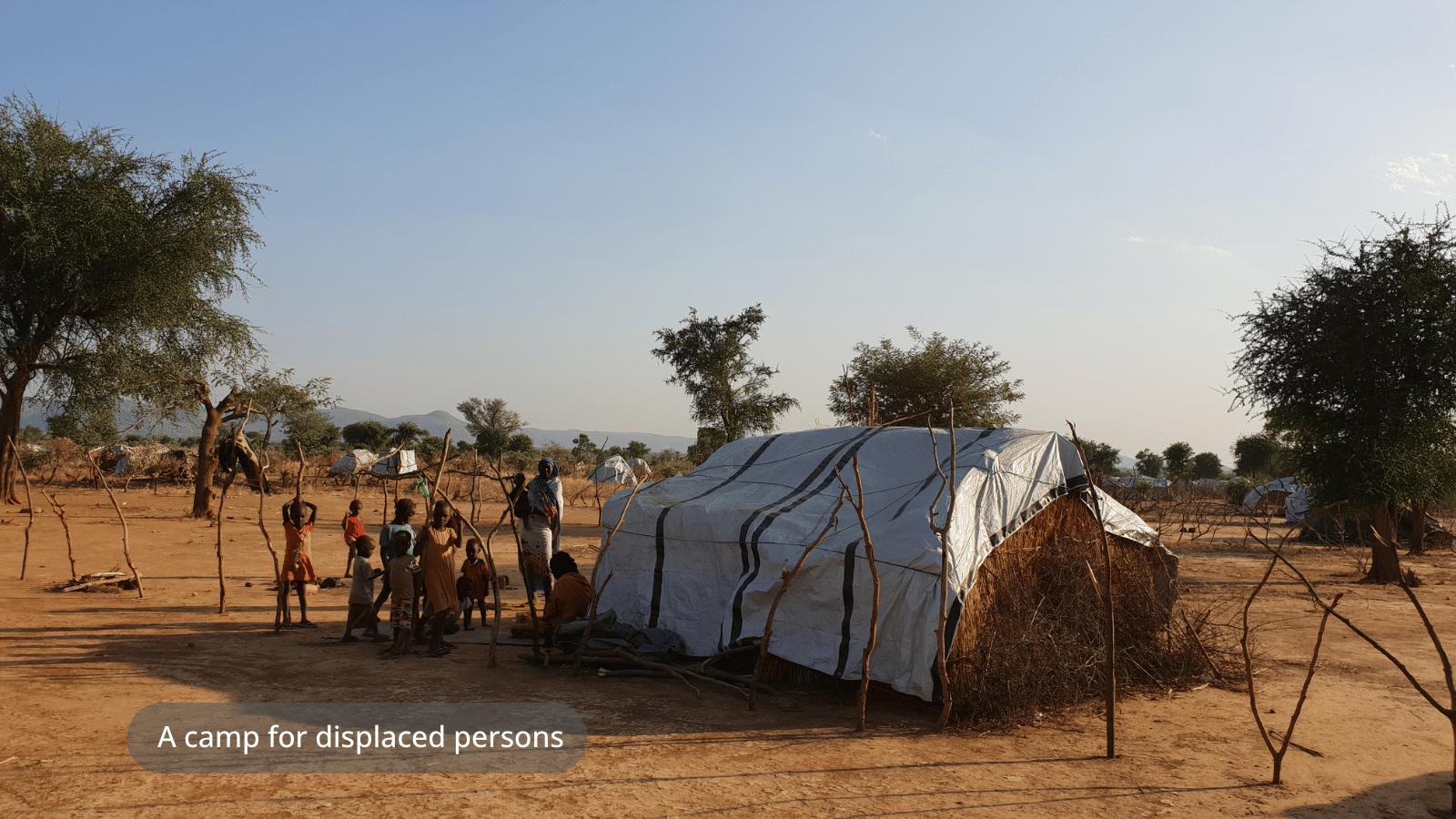
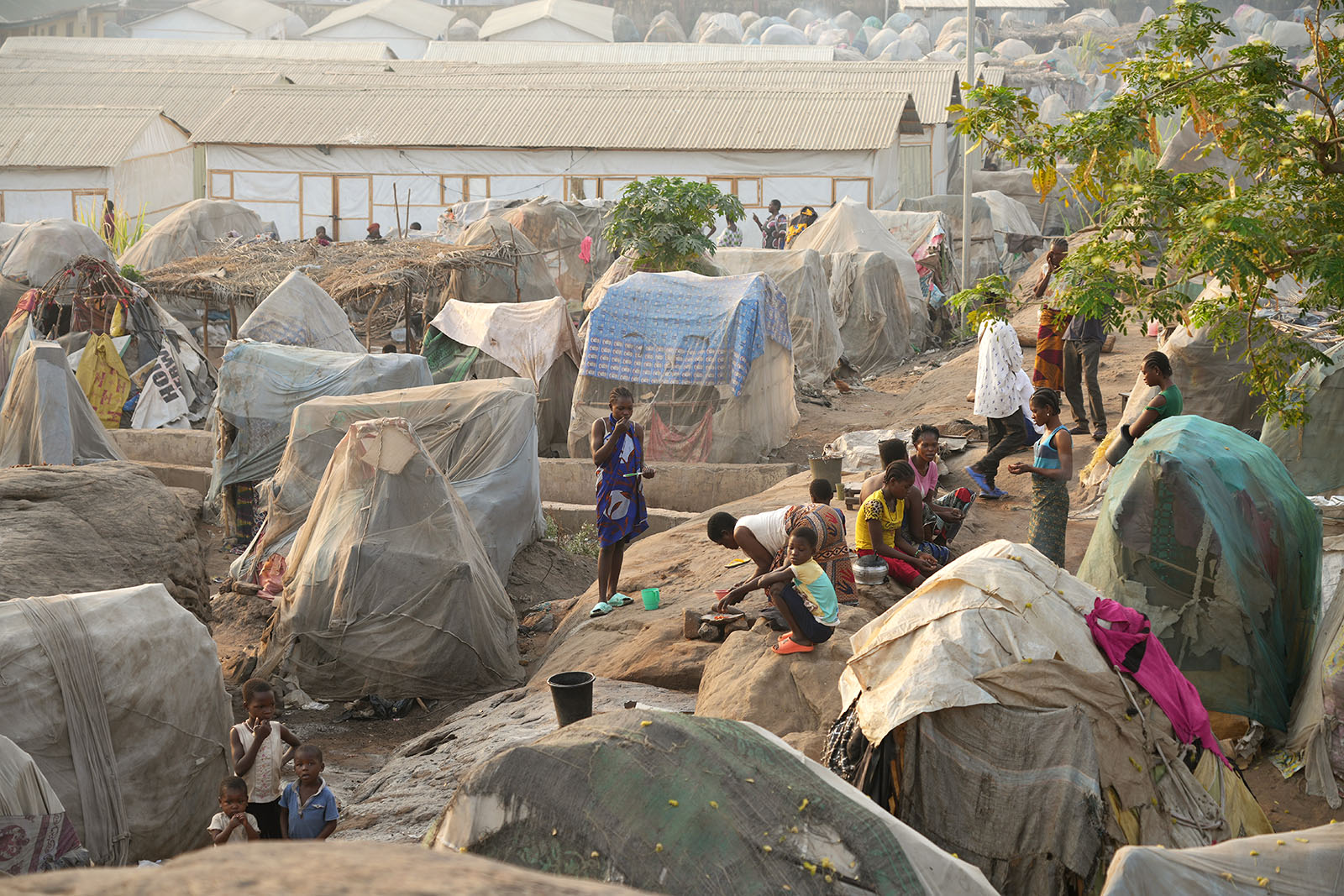
Christians who must flee to displacement camps report horrific conditions in the camps. Families have limited access to basic needs. Many Christians in northern Nigeria are farmers and rely on the land for their survival and livelihood. So when it’s too dangerous to return to their villages—especially during harvest or planting seasons—they suddenly lose all income or familial provision for the year. Christians who have to continue after the death of a loved one bear the trauma and the pain of the loss, plus the economic reality, especially if the person killed was the primary breadwinner. Believers who experience sexual violence are forced to go about their daily lives while secretly reliving their trauma, unsure why God didn’t save them from the torture.
The Church Under Siege
The Nigerian church has shown how resilient it is, time and time again. But eventually, in the face of non-stop religious violence, even the most resilient Christian could be tempted to throw up their hands and yell with the Psalmist, “How long, O Lord?” (Psalm 13).
We must remind them they are not alone. This will take more than a diplomatic solution or even a peace agreement—those things are vital and important. But for our brothers and sisters who endure such unspeakable violence, they must also be reminded they aren’t alone … and that Jesus walks alongside them, suffering with them, redeeming even their darkest moments.
You don’t have to be a Christian to see that the problem of violence against Christians in Nigeria is a massive issue. It’s so much bigger than any one political party, ideology or nationality. It’s something that should disturb all of us—and should compel us to speak out.
The first step toward addressing the issue is to get people to notice. While more and more government officials, media and everyday citizens are starting to see what’s happening, the violence in Nigeria is still too hidden.
And then share what’s happening on social media, use the hashtag “#AriseAfrica”, tag three friends whom you know will care about the violence, and tag one public figure who could use their platform to speak out. Together, we can break the silence around what’s facing Christians in Nigeria … and breaking the silence is the first step toward doing something about it.
We are remaining in darkness
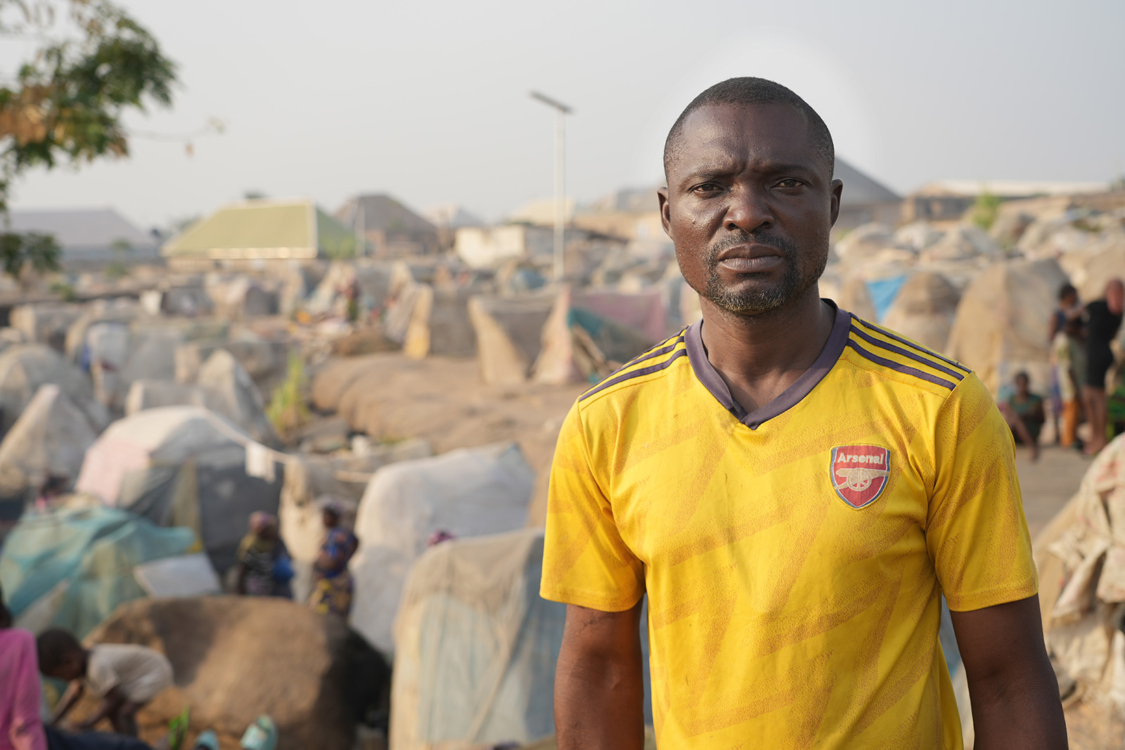
In one displacement camp in Benue State, Nigeria, there’s a man named Barnabas. He and his family were displaced because of the violence. He’s a pastor and sees displaced Christians every day. And he’s blunt in his assessment:
“Millions of Christians are displaced, here in Nigeria. The news doesn’t care about it, politicians don’t talk about it, government don’t talk about it, global politics don’t talk about it. Nobody talks about it. We are remaining in darkness.
“Tell me: How that would make you feel? Being forgotten, being disregarded?”
It’s a challenge that we don’t need to simply do nothing. We don’t need to wait until the next horrific attack in a community like Yelwata to pay attention again. The cycle doesn’t need to continue.
We know Christians are being targeted. And we know this injustice is being neglected, ignored and forgotten. Right now, take the first step and break the silence … and start the healing for the Nigerian people. If you have not done so yet, please sign the petition.