mozambique

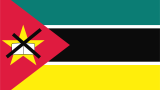
Mozambique

Population

34,035,000

Religion

Christian (56%)

Christians

19,184,000

About Mozambique

Mozambique is a scenic country in southeastern Africa, with a tropical climate and that boasts many natural resources and biological and cultural diversity. Its extensive coastline, fronting the Mozambique Channel, offers some of Africa’s best natural harbours. These have allowed Mozambique an important role in the maritime economy of the Indian Ocean, while the country’s white sand beaches are an important attraction for the growing tourism industry. Fertile soils in the northern and central areas of Mozambique have yielded a varied and abundant agriculture, and the great Zambezi River has provided ample water for irrigation and the basis for a regionally important hydroelectric power industry.
Prayer Points

Add your voice!

45,405
200,000

Sign the Arise Africa Petition in support and advocacy

We’re calling upon the global community to ensure that Christians and other vulnerable individuals in Sub-Saharan Africa are treated with dignity and respect.

State of Religious Freedom

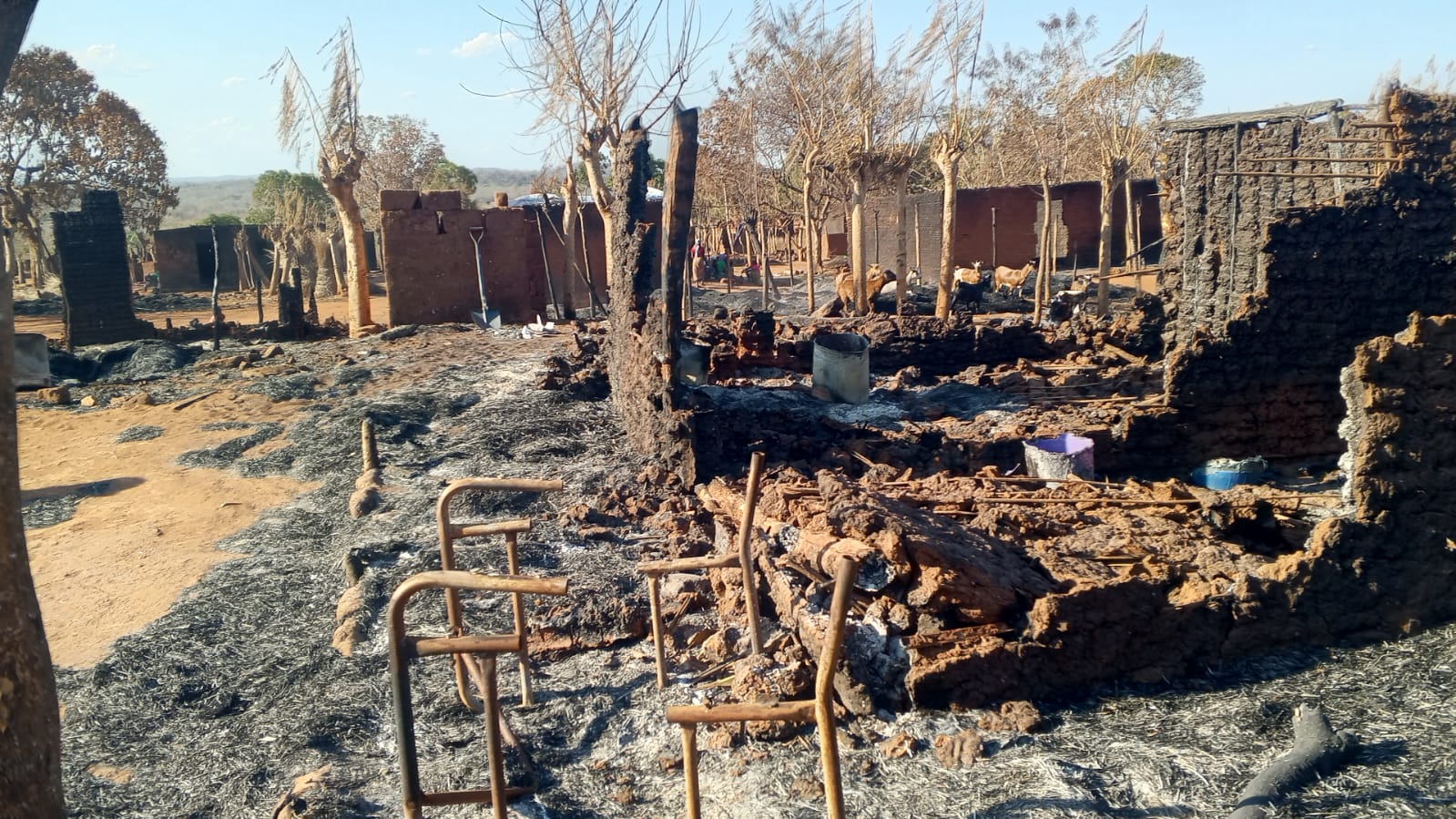
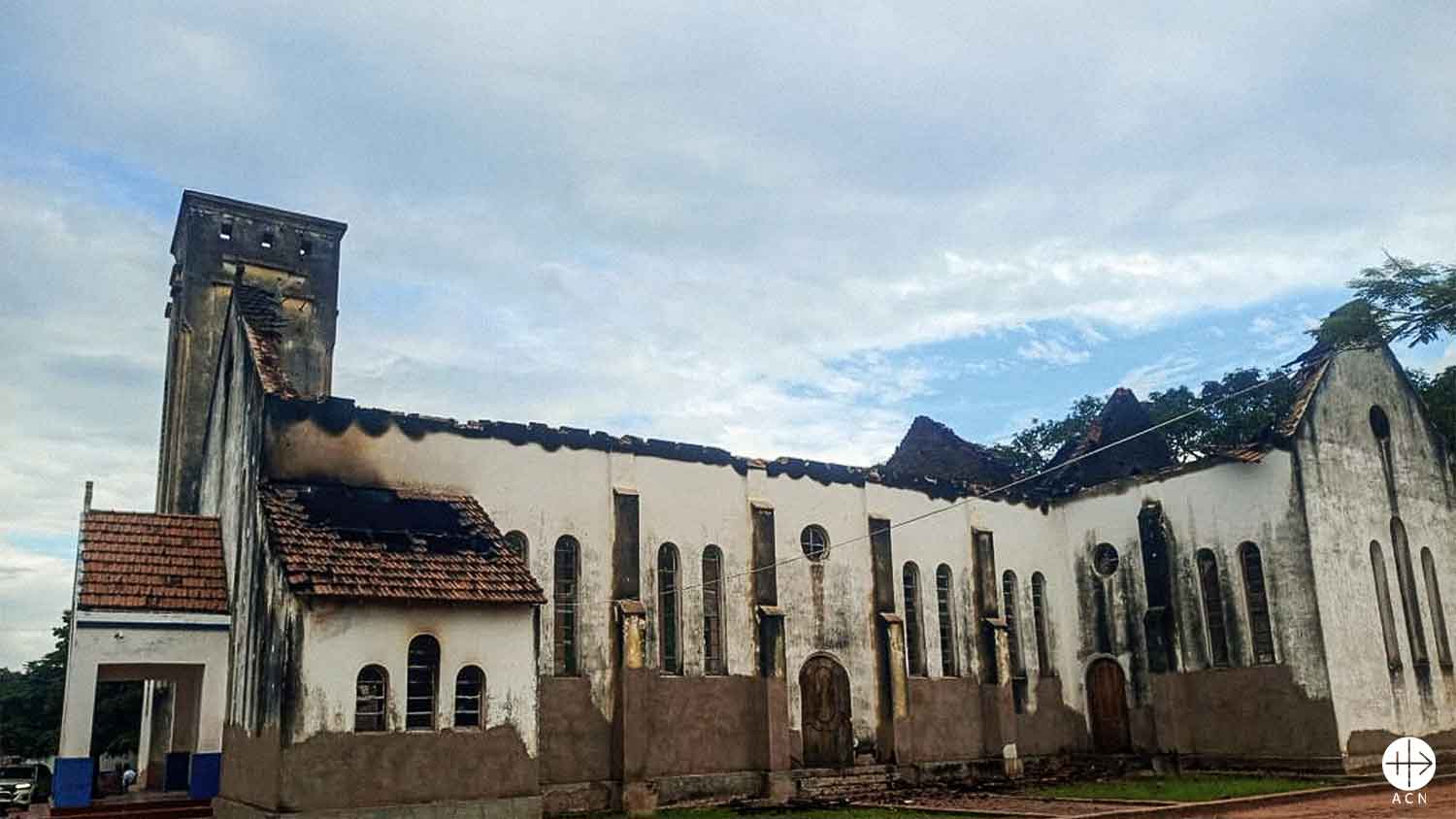
Open Doors reports the presence of radical Islamists, particularly in the northern regions, has made life increasingly perilous for Christian communities. These extremists have unleashed a wave of violence, targeting Christian places of worship, abducting religious leaders and killing numerous Christians. Their activities are not isolated but are part of a broader ideological campaign to impose a strict interpretation of Islamic law, making Christians a specific and vulnerable target.

The organization also flagged the influence if drug cartels as a concern for FORB. Mozambique has become a significant hub for the international drug trade, and this has given cartels a vested interest in controlling various parts of the country. Church youth workers, who often act as community leaders advocating for change, find themselves caught in a web of violence and intimidation. These criminal organizations view any form of organized social activity, including church activities, as a threat to their control over local communities.

Open Doors further states that official policies and practices restrict the freedom to worship and express religious beliefs openly. Churches face administrative hurdles, there are barriers to religious education, and public expressions of Christian faith often lead to scrutiny and sometimes even arrest.

IRFR stated in 2020: “Religious leaders continued to express concern that a draft law on religious practices, proposed in 2019 that was still pending in parliament at year’s end, could prevent religious groups that have fewer than 500 followers from registering with the Ministry of Justice. Leaders of small religious communities expressed concern that the registration requirement would prevent them from registering their organizations. According to a religious leader, the draft law would also require followers to have their identities attested by a notary, which would create an administrative barrier to religious practice.” This draft law is still under consideration.

Freedom House reports that the government responses to attacks by armed Islamists have involved closing mosques and detaining Muslim leaders.

Of additional concern is the government’s treatment of media reporting on the insurgency, or printing criticism against its handling of the situation. “The government is known to retaliate against critical journalists, including by cancelling public advertising contracts. Journalists and political commentators appearing on television programs have been the targets of attacks and kidnappings in recent years. Police frequently harass, assault, and detain journalists. In December 2023, João Chamusse, editor of Ponto por Ponto newspaper, was found dead outside his home his home in KaTembe, near Maputo. Chamusse, who had covered corruption and had criticized the government in commentary on TV Sucesso, had reportedly received death threats prior to his killing,” reports Freedom House.

Politics

Mozambique became independent of Portugal in 1975. A civil war ended in 1992 with a UN negotiated peace agreement between the then sole party, Front for the Liberation of Mozambique (FRELIMO), and rebel Mozambique National Resistance (RENAMO) forces. This was followed by steady economic and political progress, undermined by the return of tensions and violence between FRELIMO and RENAMO since 2012. Fighting erupted again in 2019 when FRELIMO remained in power after disputed election results.

Mozambique was added to the “grey list” of countries under increased monitoring by the intergovernmental Financial Action Task Force (FATF) in June due to concerns about its anti-money laundering and counterterrorism financing policies; the designation may inhibit the country’s ability to attract foreign investment and participate in international financial transactions.

References:

Share the Post:

Related Countries

Population:

8,887,000

Religion:

Christianity

Christians:

4,267,000, 48.0%

Population:

222,182,000

Religion:

Christianity and Islam

Christians:

102,988,000 (46.4%)

Population:

27,066,000

Religion:

Islam

Christians:

66,600 or 0.2%