tanzania

Tanzania

Population

67,462,121

Religion

Christianity (63%)

Christians

36,828,000

About Tanzania

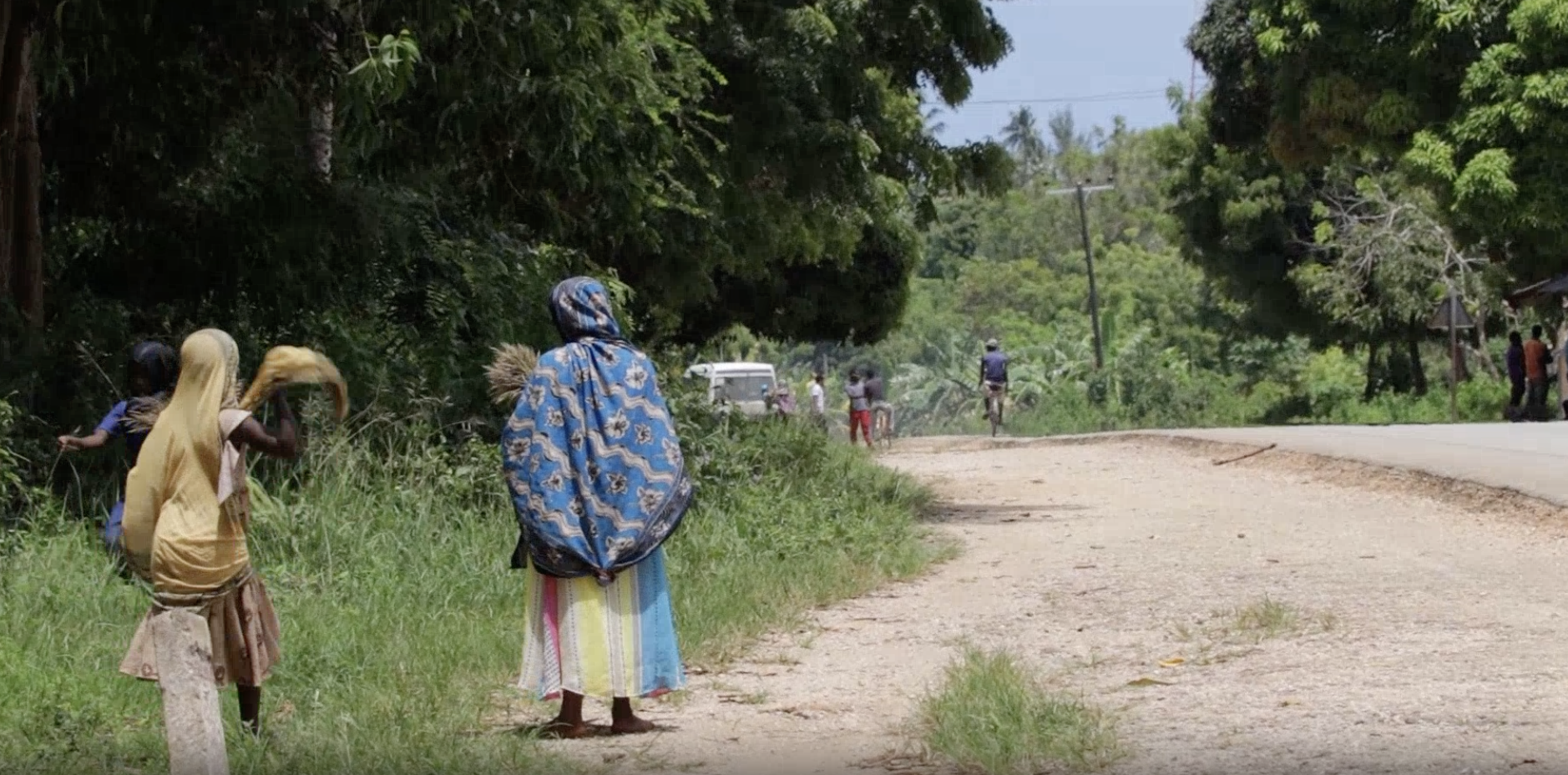
Tanzania, is a country in East Africa situated just south of the Equator. Tanzania was formed as a sovereign state in 1964 through the union of the theretofore separate states of Tanganyika and Zanzibar. Mainland Tanganyika covers more than 99 percent of the combined territories’ total area. Mafia Island is administered from the mainland, while Zanzibar and Pemba islands have a separate government administration. Dodoma, since 1974 the designated official capital of Tanzania, is centrally located on the mainland. Dar es Salaam is the largest city and port in the country.
Prayer Points

Add your voice!

38,906
200,000

Sign the Arise Africa Petition in support and advocacy

We’re calling upon the global community to ensure that Christians and other vulnerable individuals in Sub-Saharan Africa are treated with dignity and respect.

State of Religious Freedom

Freedom of religion is generally respected and interfaith relations are largely peaceful, though sectarian violence has periodically occurred. Muslims are believed to be a minority nationwide, but almost all Zanzibaris practice Islam. Political tensions between mainland Tanzania and Zanzibar often play out along religious lines. The government occasionally raises the spectre of inter-religious conflict as an excuse to detain political rivals, contributing to a sense that Muslims are sometimes treated unfairly by authorities.

Sources say the Muslim majority islands have become a region with significant challenges for the Christian population over the last few years. For instance, Christians have not received equal access to justice due to the bias against Christians in court. But even on the mainland, Christians have faced targeted violence as extremist Islamic influence has grown in some pockets on the mainland.

What adds to the pressure is the state of freedom of expression. According to Freedom House, Independent journalists and media outlets are subject to harsh repression in Tanzania. The 2016 Media Services Act grants the government broad authority over media content and the licensing of outlets and journalists. It also prescribes severe penalties, including prison terms, for publication of defamatory, seditious, or other illegal content.

Sustained legal and regulatory pressure on journalists and other public figures has contributed to self-censorship and other suppression of news coverage. In a December 2021 report, the University of Dar es Salaam cited government pressure as a factor in the media sector’s pro-CCM bias during the 2020 elections. The government also threatened to arrest journalists who reported on Magufuli’s health. The Hassan administration’s record on media freedom is mixed. Authorities have also continued to target journalists under Hassan. The government suspended two newspapers for short periods in 2021 for publishing news deemed false. In February 2022, six journalists were detained and questioned by guards in the Ngorongoro Conservation Area after they covered a local meeting; the local authority later said they were questioned for lack of accreditation.

Politics

Tanzania is described by Freedom House as partly free, scoring 36/100. The country has held regular multiparty elections since its transition from a one-party state in the early 1990s, but the opposition remains relatively weak. The ruling Chama cha Mapinduzi (CCM) has retained power for over 60 years. After the late John Magufuli became president in 2015, the government cracked down on its critics in the political opposition, the press, and civil society. Opposition, media, and civil society activity has somewhat increased under Samia Suluhu Hassan, who became president in 2021 upon Magufuli’s death. However, in 2023 authorities forcibly dispersed and prevented numerous opposition rallies and antigovernment protests, and many demonstrators were subjected to arbitrary arrests. In June, the National Assembly approved a controversial agreement that would give Dubai’s state-owned ports operator DP World partial control of Dar es Salaam port; the government ultimately signed the agreement in October. Widespread opposition to the deal was met with government repression. The government continued its attempts to forcibly evict Indigenous Maasai communities living in Ngorongoro during the year, including by cutting off community members’ access to vital public services. Credible reports of human rights abuses inflicted on Tanzania’s pastoralist communities by the government were also published during the year.

References:

Share the Post:

Related Countries

Population:

8,887,000

Religion:

Christianity

Christians:

4,267,000, 48.0%

Population:

222,182,000

Religion:

Christianity and Islam

Christians:

102,988,000 (46.4%)

Population:

27,066,000

Religion:

Islam

Christians:

66,600 or 0.2%