Church leaders in South Sudan warn that escalating violence could lead to a full-scale civil war
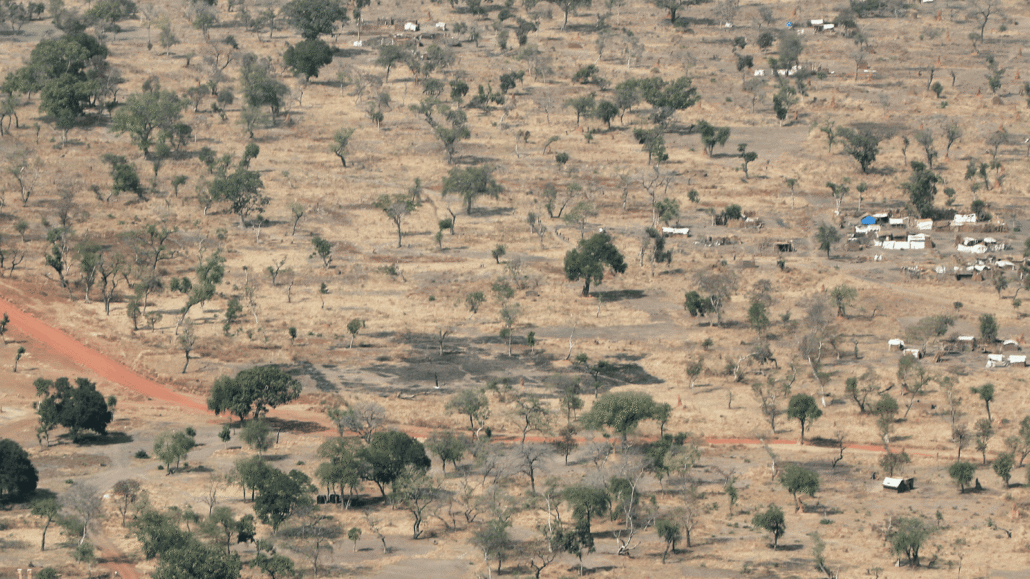
Having become an independent country in July 2011, South Sudan holds the acclaim of being the most recent sovereign state in the world. It also holds the unfortunate distinction of being one of the most violent and unsettled regions in the world. Rampant massacres, unbridled abuse, forced displacement, inter-ethnic conflict; too many of these atrocities have led to an urgent plea from the South Sudan Council of Churches.
In a 09 March 2026 press conference covered by Radio Tamazuj, the Archbishop of the Roman Catholic Archdiocese of Juba, Stephen Ameyu Martin Mulla, expressed that intensifying violence has brought the country to a critical crossroad. South Sudan, he noted, has endured decades of conflict and suffering, with civilians – especially women, children, and the elderly – bearing the brunt of violence, economic hardship, and displacement. “Our citizens have sacrificed dearly…struggling to make ends meet and work for daily bread,” he said.
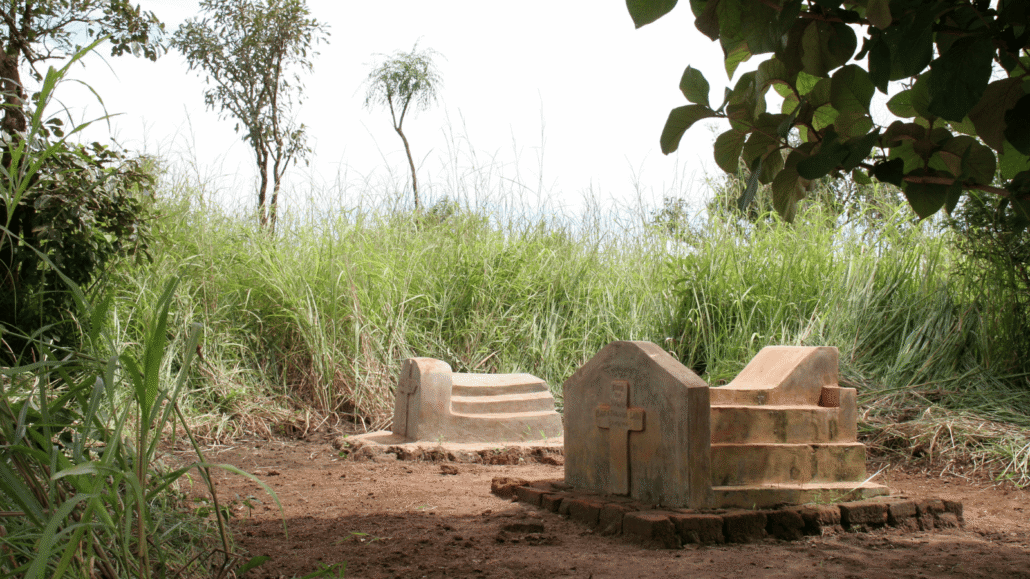
According to the World Watch List, an annual index produced by not for profit, Open Doors, religious persecution is pervasive in the country. “In South Sudan, persecution stems from both violence and pressure, with these two elements being deeply interlinked. This situation is worsened by ethnic tensions, rivalries within religious denominations, and strained relationships between churches and factions such as state authorities, rebel groups and tribal leaders.”
Some of the recent incidences reported by the organisation include:
- Violence against churches and clergy: Christian leaders and churches in South Sudan have been targeted, including incidents where the South Sudan People’s Defence Forces (SSPDF) looted and occupied churches, assaulted clergy and detained religious leaders.
- Sexual violence against Christians: There have been reports of sexual violence targeting Christians, contributing to the severe challenges faced by the Christian community in the country.
- Ethnic and political conflicts: Broader ethnic and political conflicts in regions such as Warrap and Jonglei states have led to the destruction of churches, attacks on clergy, and the displacement of thousands, exacerbating the risks faced by Christians.
- Government inaction: There has been a lack of effective government intervention to protect Christian leaders and resolve conflicts, leaving religious communities vulnerable
At the press conference in Juba, Archbishop Ameyu expressed concern because 2025 had been one of the most difficult years for South Sudan. Repeated failures by political leaders to fully implement the 2018 peace agreement, aggravated the already volatile situation. “The year 2025 was the worst, the year where our people lost trust due to the repeated failure in the implementation of genuine peace in our country by the political leaders and a few elites.
During this gathering, religious leaders also called for accountability for the killing of civilians, including incidents reported in the Ruweng Administrative Area, and urged the international community to continue supporting peace efforts in the country.