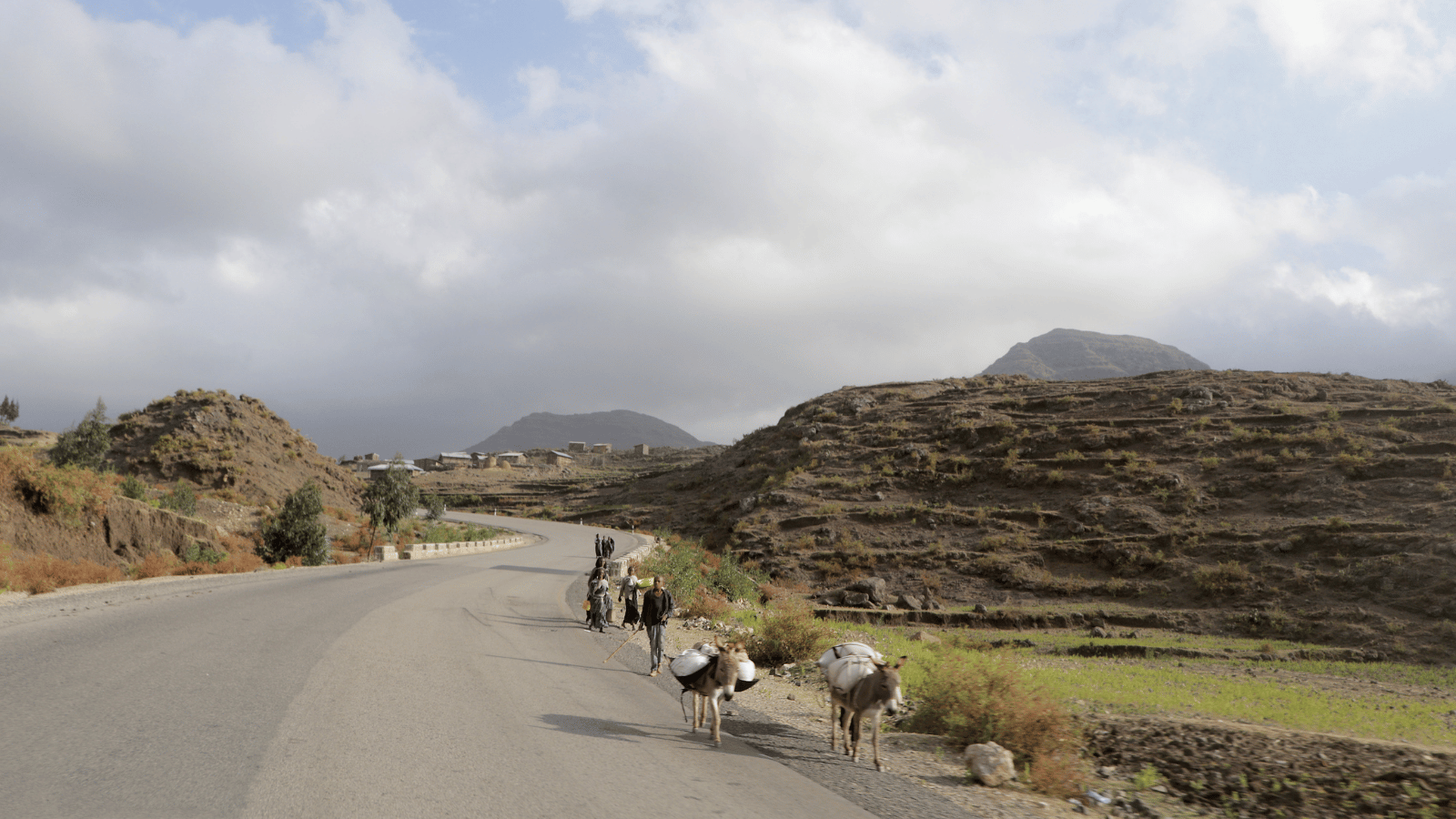
Ethiopia is navigating one of the most complex and volatile political landscapes in Africa. While some tensions have religious overtones, the most destabilizing dynamics arise from disputes over governance structures, the history of the country, regional differences, and the nature of the Ethiopian state itself.
The Ethiopian Orthodox Church (EOC), historically linked to state power, continues to assert religious dominance. However, the church faces violations from Islamist extremism, tribal pressures, and local authorities, particularly in Muslim-majority regions like Somali, Afar, and Harari. The EOC can also be a source of persecution, especially towards evangelical Christians, especially through hardline factions of EOC.
Read these ten facts on the experiences and challenges of Christians in Ethiopia:
1. Discrimination
Discrimination is pronounced in both Orthodox and Muslim regions. Converts may be denied access to education, social services, and community protection. In rural Muslim areas, girls as young as 10 or 11 are still subjected to bridal abduction or forced marriage, often involving Christian converts. Surveillance is widespread: neighbours, and even children, are used to monitor Christian households and report religious activities.
2. Ethnic Politics
Ethnic politics, dominant since the 1991 transitional period, have blurred religious and cultural lines. In regions like Afar and Somali, Islam is tightly bound with ethnic identity. Converts and Christian minorities face hostility from tribal leaders and pressure to join ethnic conflicts. Non- participation is often met with retaliation, deepening the cycle of local persecution.
3. Armed Attacks
In 2025, armed groups carried out widespread attacks in the Oromia region and in parts of Amhara. At least 25 churches were burned, demolished, or looted. Worshipers were assaulted, religious materials destroyed, and entire congregations scattered, with Christians accused of refusing to support the militants.
4. Kidnapping
Christians are increasingly being kidnapped especially in Oromia’s rural districts and areas, in Amhara where armed groups are actively operating. Families report that captives are often released only after large ransoms, ranging from hundreds of thousands to millions of Ethiopian Birr, are paid. Some who cannot afford to pay remain missing.
5. Displacement due to Violence
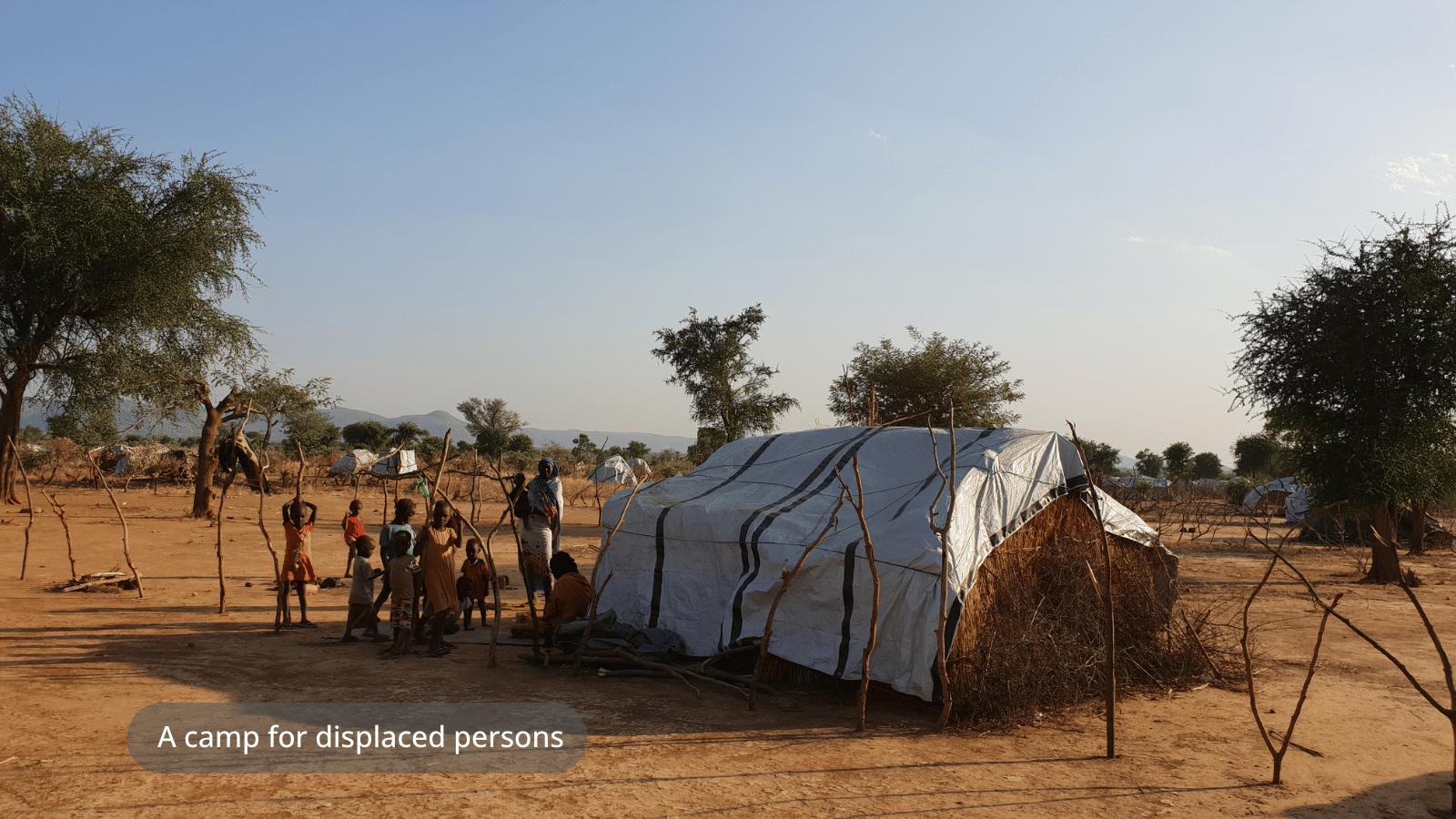
Violence has forced thousands of Christians from their homes in both Oromia and Amhara, with many fleeing to safer towns or temporary camps. Displaced Christians report being specifically targeted because of their faith and lack of alignment with armed groups’ political agendas.
6. Pastors are harassed and attacked
Pastors, especially from newer denominations, are harassed and attacked in regions hostile to religious plurality. Radical groups monitor churches, and attacks on worship gatherings are documented. Converts face the harshest conditions, often forced to worship in secret to avoid violence.
7. Converts face intense pressure
In Muslim-majority areas of Ethiopia, converts face intense familial and communal pressure, especially in rural settings where honour and reputation are deeply embedded. Common consequences for becoming Christian include forced isolation, arranged marriages, and physical violence. It’s seen as a grave betrayal, religiously and culturally, and is often interpreted as a rejection of family, ancestry, and identity.
8. Conversion leads to severe repercussions
In northern Ethiopia, where the Ethiopian Orthodox Church (EOC) is dominant, conversion to Protestantism or Evangelicalism also leads to severe repercussions. Converts may be expelled from their families, denied community support, and subjected to religious shaming rituals, such as forced consumption of “holy water” to exorcise supposed demons. Possessing non-Orthodox Bibles or Christian music can provoke accusations of heresy. However, in southern Ethiopia and parts of Oromia, where Protestantism is more culturally accepted, conversions tend to provoke less hostility and are often tolerated.
9. Christian families face significant challenges
In both Muslim and EOC-dominated areas, Christian families face significant challenges. Children of converts or non-EOC Christians may be bullied, excluded, or coerced into attending Islamic or Orthodox schools. Burial rights are another source of discrimination; non-Orthodox Christians often struggle to secure burial plots in religiously homogenous areas. Converts to Protestantism (known locally as Pentay) are pressured by relatives, priests, and EOC hardliners to return to Orthodoxy, sometimes under threat of expulsion or familial rupture.
10. Protestant Persecution
Evangelicals and Protestants are often depicted as foreign intrusions, threatening Ethiopia’s religious identity. Converts from Orthodoxy face discrimination, church registration barriers, and public vilification. These violations are most intense in northern and central Ethiopia, where the EOC retains institutional and cultural supremacy.