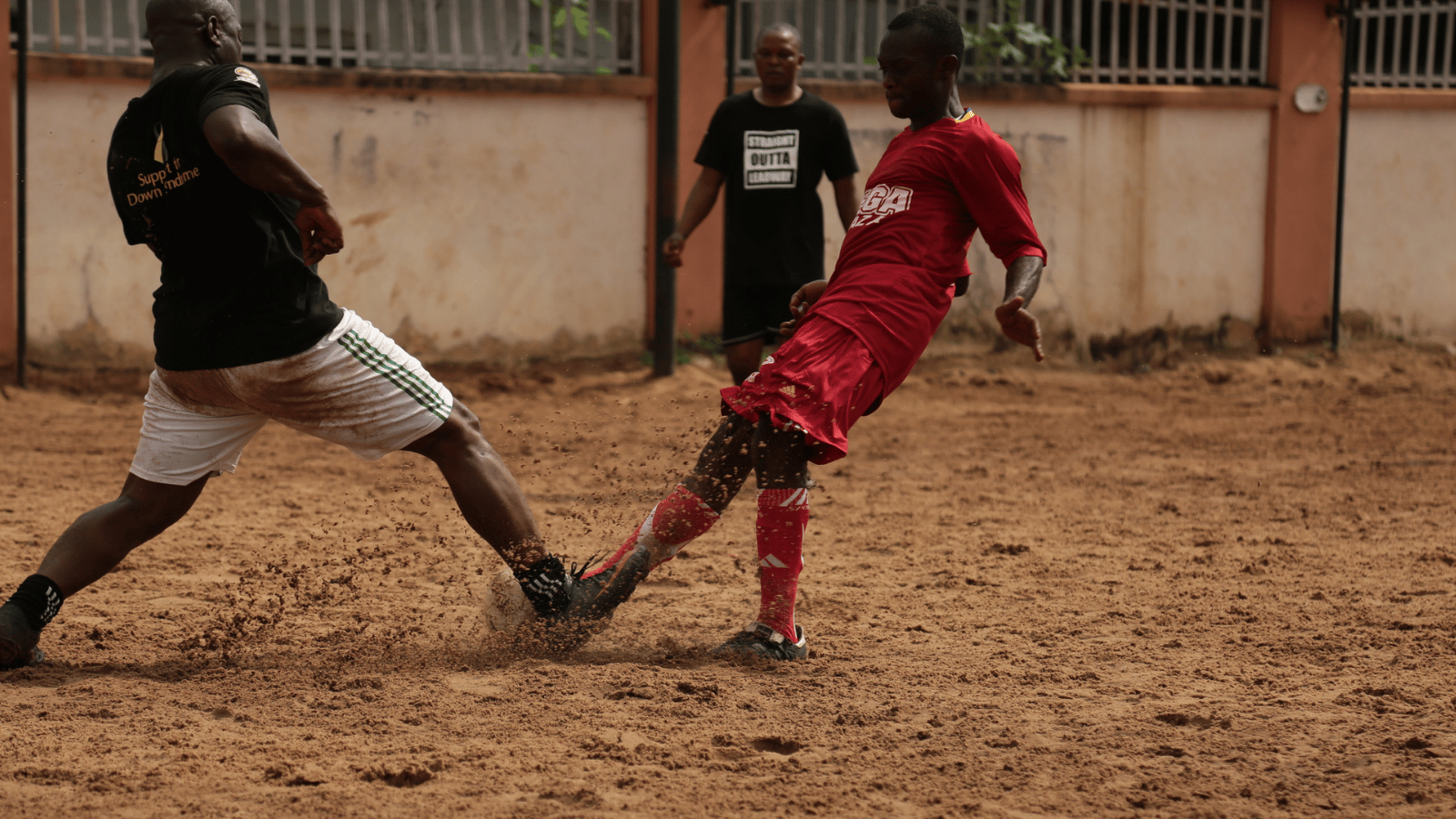
Taking place from 11 June to 19 July across the United States, Mexico and Canada, the soccer world cup has millions of fans around the globe tuned to every game. However according to the latest Religious Freedom in the World Report (RFR) by Aid to the Church in Need, 14 of the participating countries continue to face restrictions on their freedom of religion or belief.
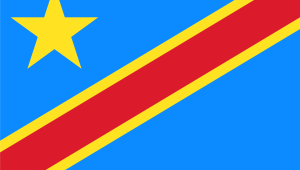
In Sub Saharan Africa, the countries that qualified include Sengal, Ghana, Cote d’Ivoire and the Democratic Republic of Congo. DR Congo made a return to the tournament after defeating Nigeria and Jamaica in the intercontinental play-offs, which secured them the final African slot.
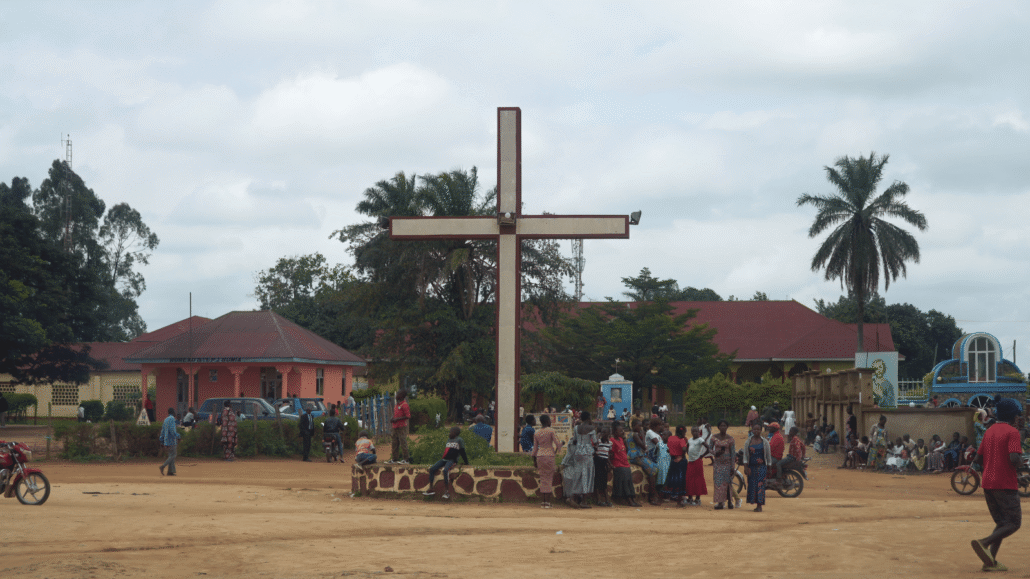
The country however is currently besieged by multifaceted crises that may make it difficult for citizens to access games featuring the national team. “Armed groups such as the Allied Democratic Forces (ADF), affiliated with the Islamic State, have systematically attacked Christian communities, killing civilians, destroying places of worship and abducting clergy,” notes the Religious Freedom Report. In the eastern provinces, more than 120 militias compete for control of mineral-rich areas, while the collapse of public services leaves religious communities particularly exposed. As violence escalates and religious communities lose access to safe spaces and basic protections, the conditions for religious freedom in eastern DRC continue to deteriorate, threatening broader stability across the Great Lakes region.
Islamist militants and rebel groups attack churches and Christian communities, targeting places of worship, killing clergy, and harassing believers. Converts to Christianity from African Traditional Religions (ATR) face significant family and community pressure, particularly in North Kivu, Kisangani and Kasai, where conversion is perceived as a rejection of long-standing cultural and spiritual traditions. In these areas, ethnic and militant leaders adhering to ATR belief systems often promote hostility towards Christians, further heightening pressure on converts. Mosques in North Kivu also face a hostile environment with militants targeting Muslims who oppose their violence.
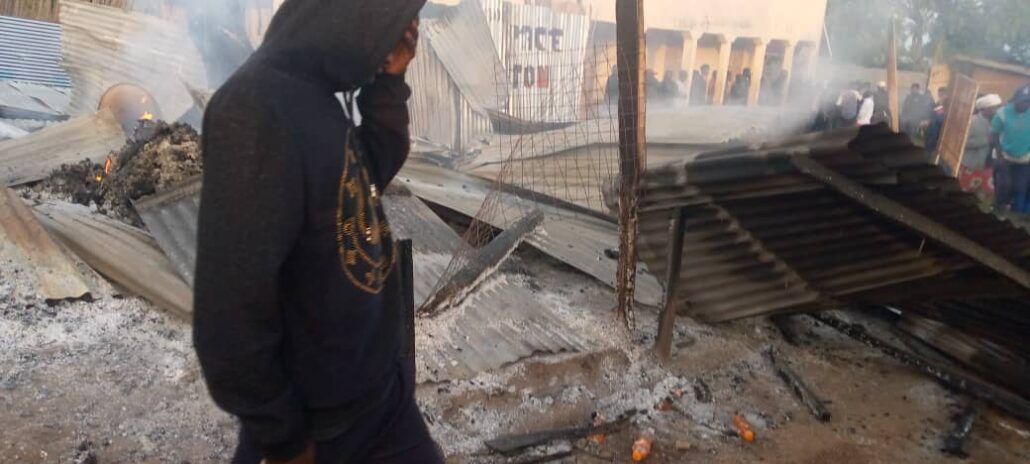
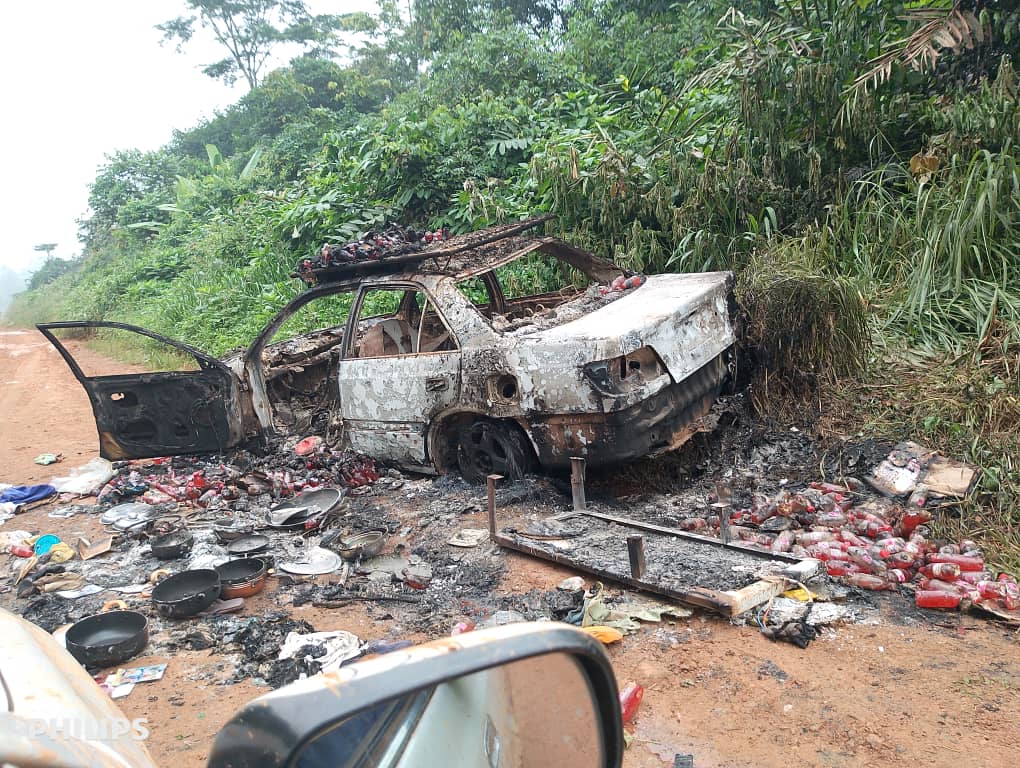
“Although much of the violence is not religiously motivated, the country’s ongoing instability, armed conflict, and deepening humanitarian crisis have serious implications for religious freedom. In conflict zones, communities face disruption of religious life, restrictions on worship, and increased vulnerability of religious minorities and leaders. These challenges are further exacerbated by explicitly religiously motivated attacks, particularly in the eastern regions of the country, where Christians face significant challenges due to attacks by Islamist militant groups that deliberately target churches and religious gatherings.”
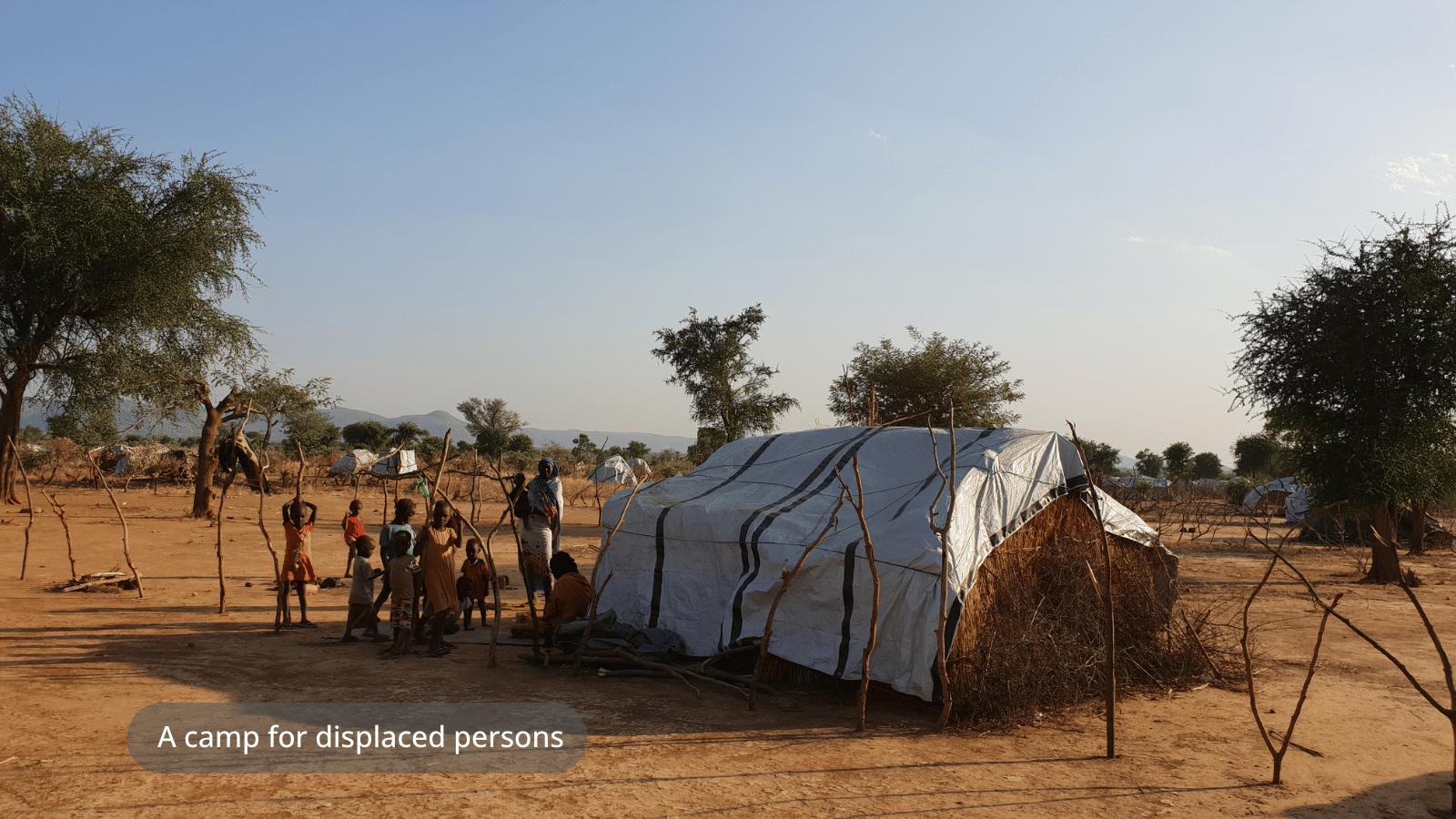
The eastern part of DRC in particular, continues to face protracted conflict that has continued for decades. In provinces such as North Kivu, South Kivu, and Ituri, violence driven by competition for resources and external interference, has created deep insecurity. Ongoing violence by violent Islamists and rebel groups has forced millions from their homes into overcrowded, under-resourced displacement sites, including schools, church buildings, and other improvised shelters. Churches, once central to community life, have been destroyed or repurposed as temporary refuges, further straining local capacity to provide spiritual and humanitarian support to the surrounding community.