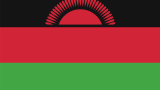
Malawi, landlocked country in south-eastern Africa. Endowed with spectacular highlands and extensive lakes, it occupies a narrow, curving strip of land along the East African Rift Valley. Lake Nyasa, known in Malawi as Lake Malawi, accounts for more than one-fifth of the country’s total area. Most of Malawi’s population engages in cash-crop and subsistence agriculture. The country’s exports consist of the produce of both small landholdings and large tea and tobacco estates. Malawi has received a significant amount of foreign capital in the form of development aid, which has contributed greatly toward the exploitation of its natural resources and has allowed Malawi to at times produce a food surplus. Nevertheless, its population has suffered from chronic malnutrition, high rates of infant mortality, and grinding poverty—a paradox often attributed to an agricultural system that has favoured large estate owners. Most Malawians reside in rural locations. The country’s few large urban centres include Lilongwe, the capital, and Blantyre, the seat of the country’s judiciary. The backbone of the Malawi economy is agriculture.
Malawi
20.4 million
Christianity (77%)
c.15.7 million
Malawi, led by President Lazarus Chakwera, is described as partly free by Freedom House, scoring 66/100. Malawi holds regular elections and has undergone multiple transfers of power between political parties. Political rights and civil liberties are largely respected by the state. However, corruption is rife, police brutality is common, and Malawians are in severe economic distress. Discrimination and violence toward women, members of minority groups, and people with albinism remain problems.
The freedom of religion is constitutionally upheld and generally respected in practice. Christians, who make up just over 77 percent of the population, and Muslims, at around 14 percent, occasionally engage in conflict, which is often resolved peacefully.
- Malawi remains a stable and peaceful land in a region troubled by wars and violence. The people have a peaceful and rural nature, the democracy is healthy, and the president speaks out against corruption. Praise God for the peace that allows Christian ministry and national development to continue.
- Pressure on Christians from extremists are expected to increase in years to come. Pray that the Church will be ready for the challenge and
- Pray for church unity, thorough discipleship of believers and continuous loving outreach to all.
References: