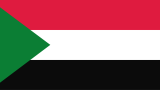
Sudan is a country located in northeastern Africa. The name Sudan derives from the Arabic expression bilād al-sūdān (“land of the blacks”), by which medieval Arab geographers referred to the settled African countries that began at the southern edge of the Sahara. For more than a century, Sudan included its neighbour South Sudan, home to many sub-Saharan African ethnic groups. Prior to the secession of the south in 2011, Sudan was the largest African country, with an area that represented more than 8 percent of the African continent and almost 2 percent of the world’s total land area. Sudan’s capital, Khartoum, is located roughly in the centre of the country, at the junction of the Blue Nile and White Nile rivers. It is part of the largest urban area in Sudan and is a centre of commerce as well as of government.
Sudan
47,095,000
Islam
2,013,0000
Freedom House describes Sudan as not free with a freedom score of only 6/100. After military commanders and a prodemocracy protest movement ousted the repressive regime of longtime president Omar al-Bashir and his National Congress Party (NCP) in 2019, Sudan was ruled by a transitional government in which military and civilian leaders agreed to share power until national elections could be held. The government began to enact reforms, and space for the exercise of civil liberties slowly opened. However, the process was thrown into turmoil in late 2021 when the military leadership dissolved the transitional government in a coup and cracked down on the ensuing prodemocracy protests. Throughout the transition period, violence involving security forces, other armed groups, and rival ethnic communities has persisted in many parts of the country.
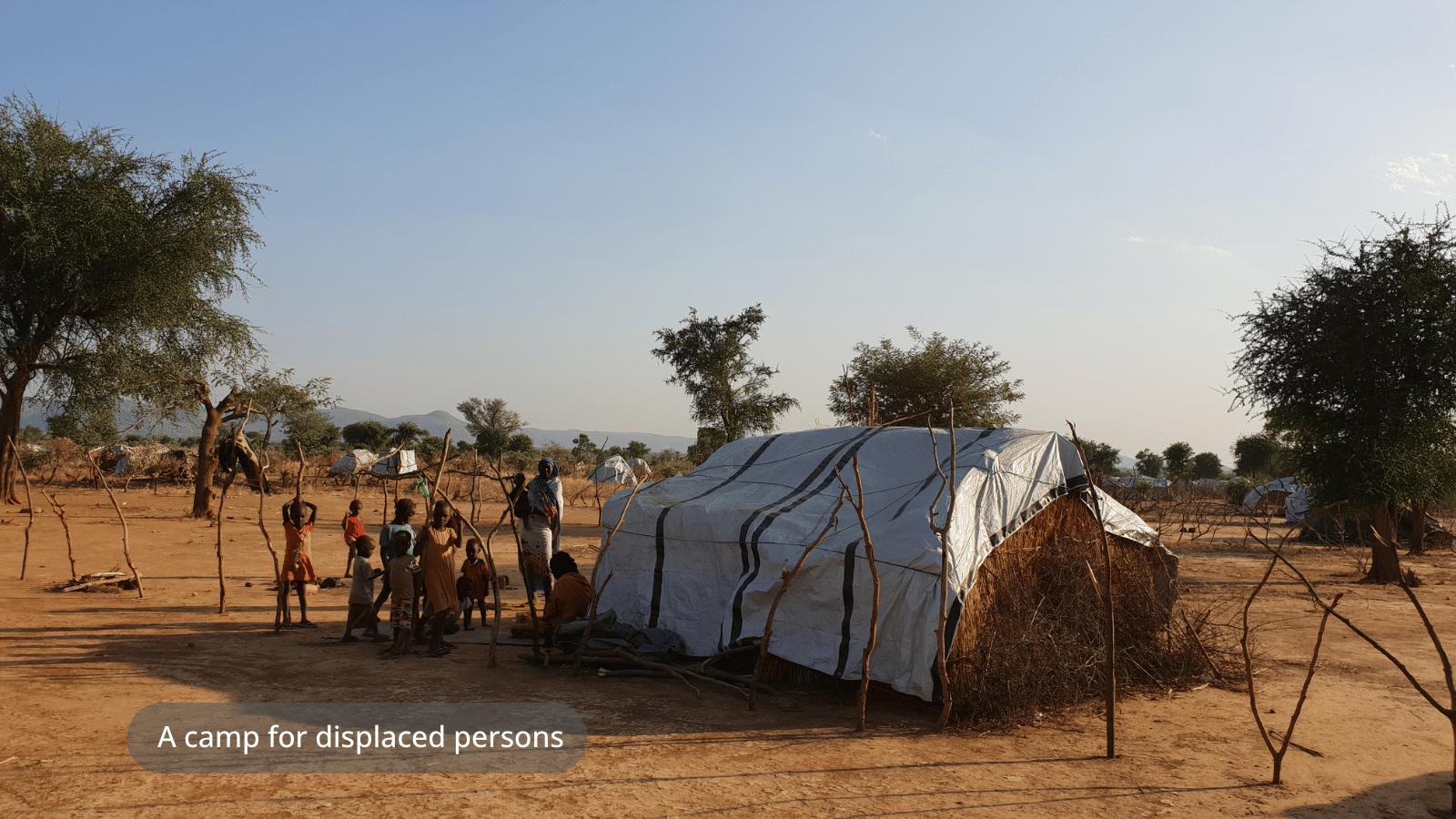
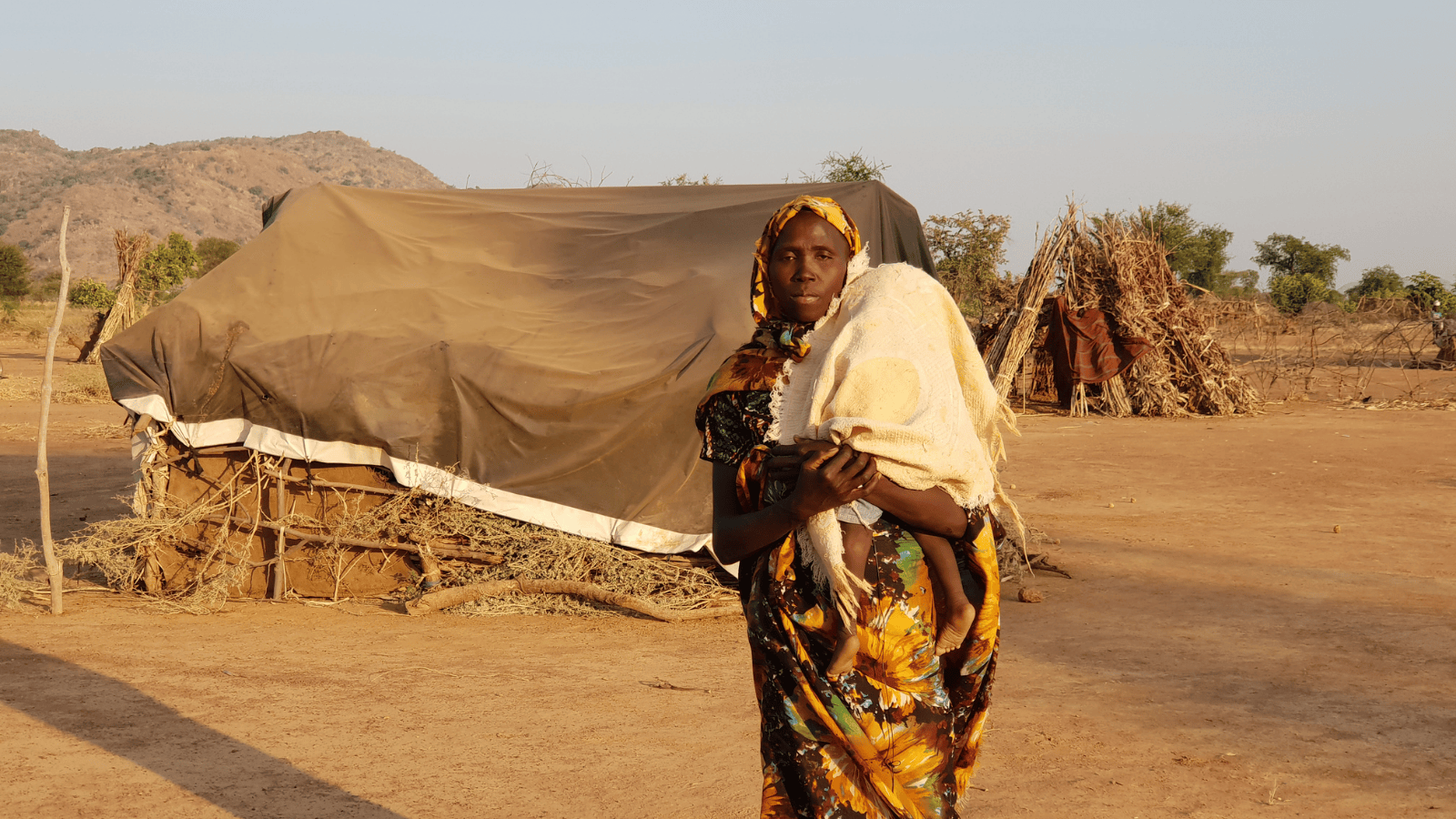
In April, disagreements between the leaders of the SAF and the paramilitary RSF brought negotiations over the formation of a new transitional government to a halt. Escalating tensions between the groups sparked armed clashes in Khartoum initially but fighting spread across Sudan over the course of the year, and the conflict was ongoing at the end of 2023. The conflict led to a grave humanitarian crisis - international human rights organisations indicated that more than 12,000 people were killed and more than six million were internally displaced between the start of the fighting in April and the end of the year. In the Darfur region, the RSF and their allies carried out brutal attacks on non-Arab ethnic populations in an attempt to expel them from certain areas and consolidate control. RSF personnel reportedly burned health clinics and humanitarian aid offices, preventing survivors of the attacks from accessing help. Human rights groups documented extremely high rates of conflict-related sexual violence against women and girls in the region. Attempts by international and regional partners to secure a cease-fire repeatedly failed. The RSF and the SAF continued to fight over specific territory and control of key facilities such as airports and oil fields.
Middle East Concern writes: Approximately 97% of the population is Sunni Muslim, with most of the remaining 3% Christian. The Christian community diminished significantly in 2013 when, following the secession of South Sudan, many of South Sudanese origin were forced to relocate from Sudan to South Sudan. During 2013 the Sudan Council of Churches, the Episcopal Church in Sudan and the Roman Catholic Church created separate entities for Sudan and South Sudan, having initially retained united structures covering both countries under predominantly South Sudanese leadership.
The 2005 Interim National Constitution of Sudan, like its predecessor, established that Islamic law and popular consensus are the sources of legislation and asserted the principle of freedom of worship and religious practice, though in practice this was not upheld.
The Draft Constitutional Declaration, adopted on 17 August 2019, replaces the 2005 constitution and will remain in force during the interim period leading to a full handover of power from the military to a civilian regime. It no longer refers to Islam as a defining attribute of Sudan and still asserts the principle of “freedom of religious belief and worship” (art. 55).
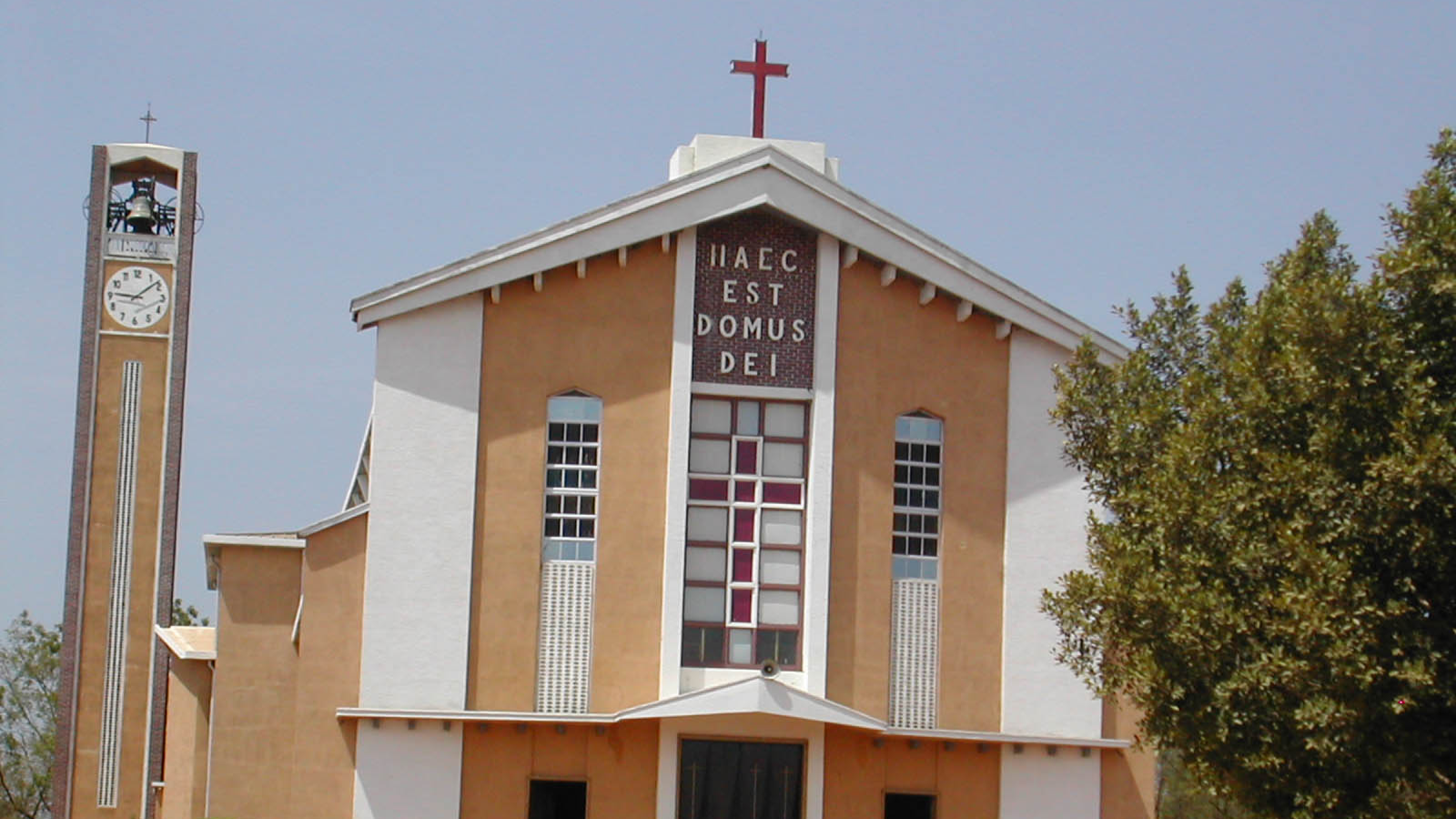
Legal provisions strictly prohibiting blasphemy and defamation of religions, as well as non-Islamic proselytism, remain in force. Apostasy and acts encouraging apostasy remain punishable by imprisonment or death for apostates who refuse to recant. Public Order laws, covering offences of honour, reputation and public morality such as dress codes, are based on the authorities’ interpretation of Islamic law and have not been repealed. The Ministry of Guidance and Social Endowments is responsible for regulating religious organisations. No permissions have been granted by the Ministry or by State and local planning offices for new non-Muslim places of worship since the 1990s. In 2013 the Minister for Religious Affairs stated that no permission would be given for the building of new churches, as the number of Christians had decreased after the secession of South Sudan. Jurisdiction over personal status matters is given to recognised religious communities, and the Coptic Orthodox church has jurisdiction over a wider range of ecclesiastical issues. Those born into Muslim families are subject to Shari’a courts in matters of personal status. Women registered as Muslim are not permitted to marry non-Muslims.
Sudan acceded to the International Covenant on Civil and Political Rights (ICCPR) on 18 March 1986. The ICCPR upholds the right to freedom of religion, including the right to hold a religion of one’s choice and the right to manifest that religion (Article 18). It also upholds the rights of minorities and the principle of non-discrimination. Sudan’s accession to the ICCPR was made without reservation.
Sudanese Christians face intense pressures. Recognised Christian communities have increasingly been marginalised and their freedom to worship obstructed, including over recent years through forced closure of Christian-owned institutions, expulsion of expatriate Christian workers, the prosecution and the imprisonment of some church leaders on spurious charges and an ongoing campaign of confiscation or destruction of church property.
Public morality codes have also been used to charge and imprison those, including Christians, who are perceived to have acted with impropriety. Sudanese Muslims who choose to leave Islam face severe legal sanctions, including the apostasy provisions of the penal code which can carry the death penalty. In addition to legal pressure, those considered apostates are likely to face strong family and societal pressure, including violent responses from family members.
- Pray for Sunni Muslims and minorities like Bahá’í and Jehovah’s Witnesses, facing worship bans. Ask for harmony, that Christians may share Christ’s love.
- Lift up ethnic African Christians enduring clan oppression and militia violence. Pray for justice and strength to overcome societal rejection.
- Praise God for the Church’s quiet witness under oppressive conditions. Pray for boldness and safe ways to share the Gospel across communities.
- Sudan ranks 8th on the 2024 World Watch List, with persecution fueled by military rule and Islamic militancy. Pray for resilience for believers in Darfur and Nuba Mountains.
- Lift up church leaders targeted with false charges and surveillance by security forces. Ask for their protection, wisdom, and strength to guide their flocks.
- Pray for Christian women, especially converts, facing rape, forced marriage, and house arrest. Seek their safety and healing from physical and emotional scars.
- Support Christian men and boys, at risk of beatings, imprisonment, and death for their faith. Pray for their safety and provision for families facing displacement.
- Ask for comfort for millions of displaced Christians, with churches attacked and occupied by RSF and army clashes. Pray for refuge and resources for those uprooted.
- Pray for youth harassed for their faith in schools and communities. Ask the Church to nurture their faith, shielding them from radical influences.
- Seek restoration for churches demolished or vandalized by mobs and militias. Pray for secure spaces where believers can worship without fear.
- Uphold converts from Islam, facing expulsion and violence from families and society. Pray for their safety and support to practice faith in secret.
- Sudan’s government under Lt-Gen Abdel Fattah al-Burhan reinstates oppressive policies. Pray for just leadership to protect religious freedom for all.
- Thank God for Sudan’s 47,095,000 people and their enduring spirit amid crisis. Pray for peace and restoration to heal a nation torn by conflict.
- Celebrate the faith of Sudan’s 2,013,000 Christians, standing firm despite intense persecution. Ask for courage to remain a light in dark times.
References: