An independent expert appointed by the UN Human Rights Council has travelled to Nigeria to identify existing and emerging obstacles to the enjoyment of the right to freedom of religion or belief in the country. The Special Rapporteur on freedom of religion or belief, Nazila Ghanea, conducted an official country visit to Nigeria from 8 to 19 June 2026.
For this visit, the Nigerian Ministry of Justice coordinated meetings with a number of authorities, including from Plateau and Kano States. The Nigerian National Human Rights Commission provided broad ranging support for engagements with over 200 interlocutors which included lawyers, academics, faith-based actors, diplomats and other representatives from civil society.
A report containing full observations and recommendations will be submitted to the UN Human Rights Council in March 2027. The Special Rapporteur has however released preliminary findings. Here are some sobering realities shared in the statement:
Previously safe regions are now also under attack
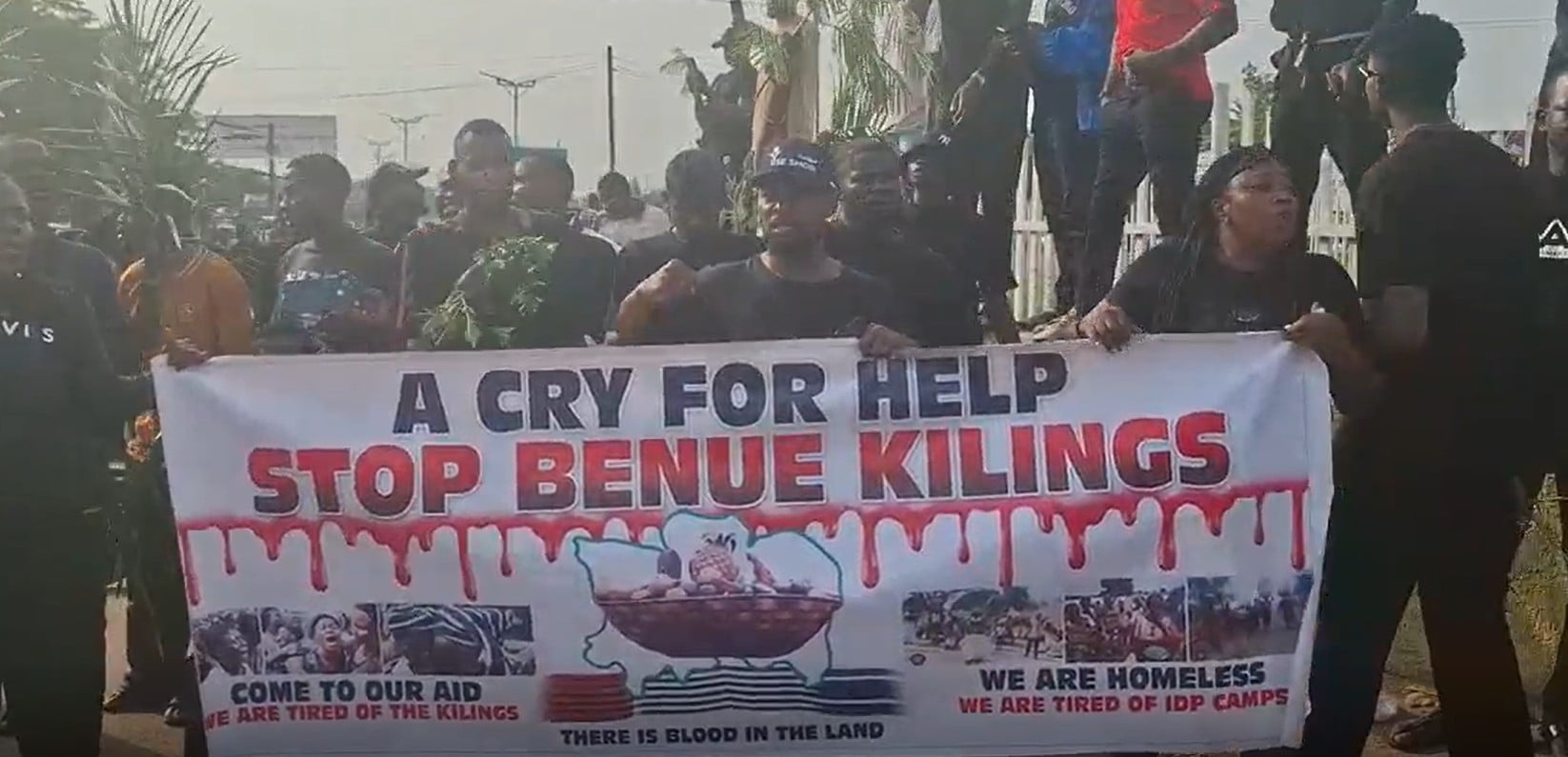
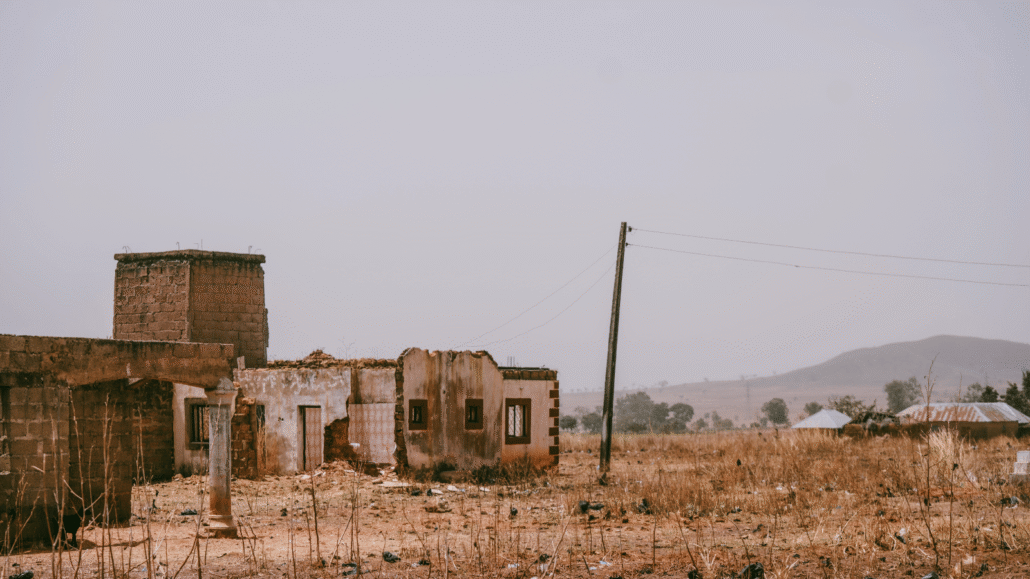
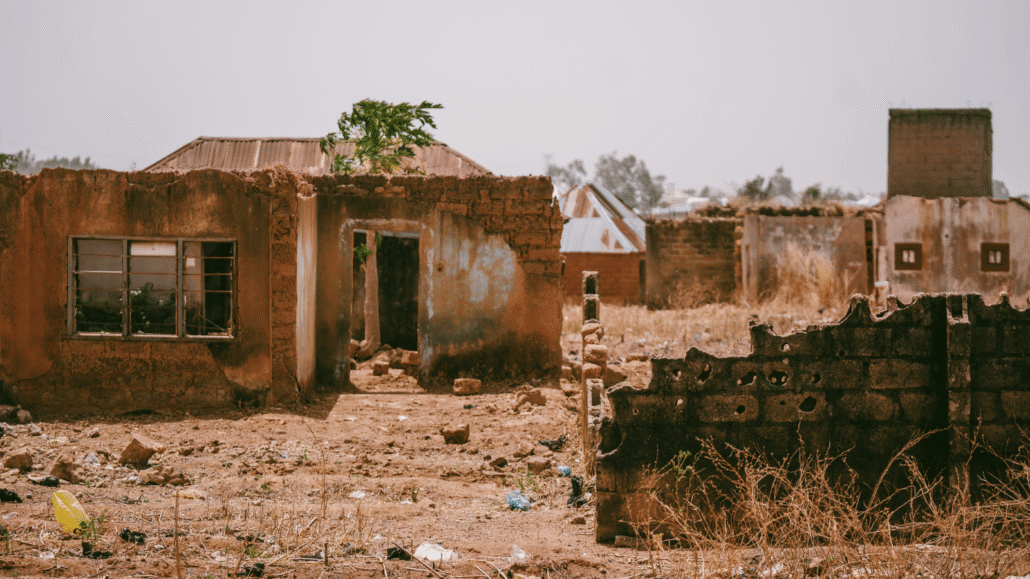
Discussion of freedom of religion or belief in Nigeria elicits very acute concerns about insecurity, violence and conflict which has spread throughout the country and has generated huge alarm, albeit to different intensities and for different reasons. These include terrorist actions, gang violence and banditry incursions, land grabbing to mass displacement, armed conflict and cattle rustling, hostage taking to arson attacks, destruction of holy places and schools, large scale kidnappings in remote areas and civil unrest around protests and strikes, decimation of irrigated farmlands and whole villages and livelihoods, through endless cycles of threats, fear and death in expanding areas of the country. Impunity and lack of accountability have reportedly entrenched these cycles of fear and violence and encouraged its spread. Previously these cycles were focused in particular regions, for example in the Northwest and North Central. They have now spread across many parts of Nigeria, but largely outside urban areas.
Militia attacks restrict normal life
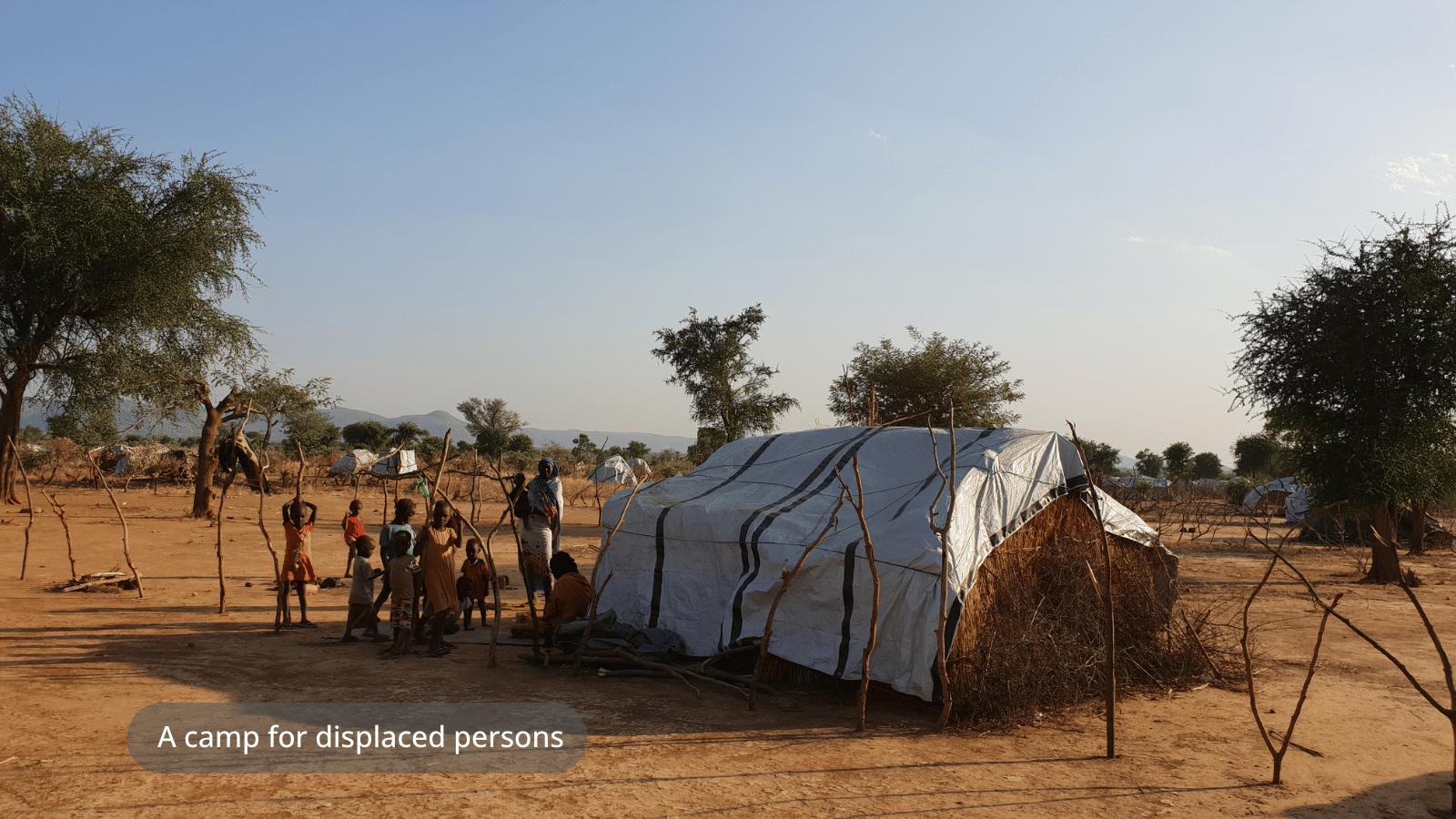
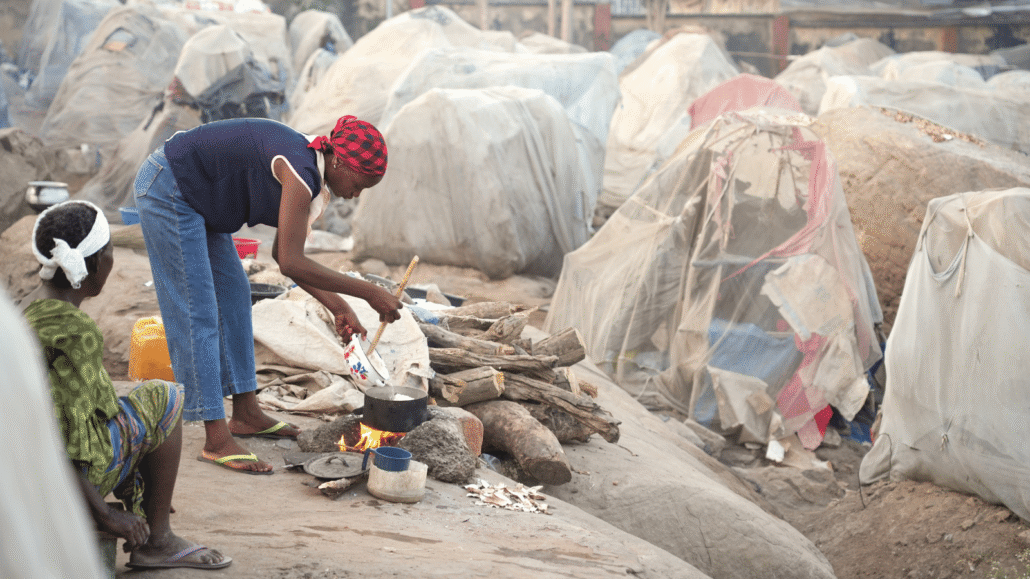
Scores of innocent people experience killings, mass violence and the total decimation of their livelihoods, time and again, witnessing little or no justice. Horrific instances have included mass arson against whole communities with survivors forced to move to camps for the internally displaced with no return in sight, unable to farm, earn a livelihood, and provide for their families. Rural communities are forced to strike ‘peace deals’ with the bandits – reportedly assigning fields to them, granting them the proceeds from the produce of other fields, and ‘taking any woman that they want’ from the hamlet. In the contexts where this was reported, the communities concerned were predominantly Christian. As one interlocutor emphasised, however, ‘we all bleed red’ and the endangerment of all human life and wellbeing – whether Muslim, Christian, Hindu, Baha’i, traditional African religionist, atheist, Buddhist, Gideon, Eckankar, humanist, Jewish or other – is equally grievous.
Religious identity is expected to be publicised
Interlocutors described Nigeria as being composed of religious blocks: a predominantly Muslim north and Christian south, and then specific pockets of Christian or Muslim dominance within the six geopolitical zones.
Nobody should be compelled to declare their religion or belief according to international human rights law and Nigerian constitutional safeguards, yet it is reported that administrative forms in Nigeria routinely ask for religion – across processes related to the federal government, states and the private sector – for example in job applications for federal and state civil services posts (despite it being discouraged), university admission, birth registration, scholarship applications (especially from state government), military and police recruitment forms, government services including pensions, public school enrolment (in order to be assigned to Christian Religious Knowledge-CRK or Islamic Religious Studies classes) and some legal or notarial settings (court oaths, sworn affidavits). These fields should be optional rather than mandatory, but in practice there is pressure to fill them in. The existence of the religion field in such forms reinforces religion as a predominant organising principle of Nigerian society which, in turn, makes it highly susceptible to religion being ‘played’ for power, politics and wealth.