
Djibouti is a small strategically located country on the northeast coast of the Horn of Africa. It is situated on the Bab el Mandeb Strait, which lies to the east and separates the Red Sea from the Gulf of Aden. The capital is the site of a modern deep-water port that serves Indian Ocean and Red Sea traffic and hosts a French naval base. Djibouti city is also the railhead for the only line serving Addis Ababa, capital of neighbouring Ethiopia. The country is internationally renowned as a geologic treasure trove. Located at a triple juncture of the Red Sea, Gulf of Aden, and East African rift systems, the country hosts significant seismic and geothermal activity. Slight tremors are frequent, and much of the terrain is littered with basalt from past volcanic activity.
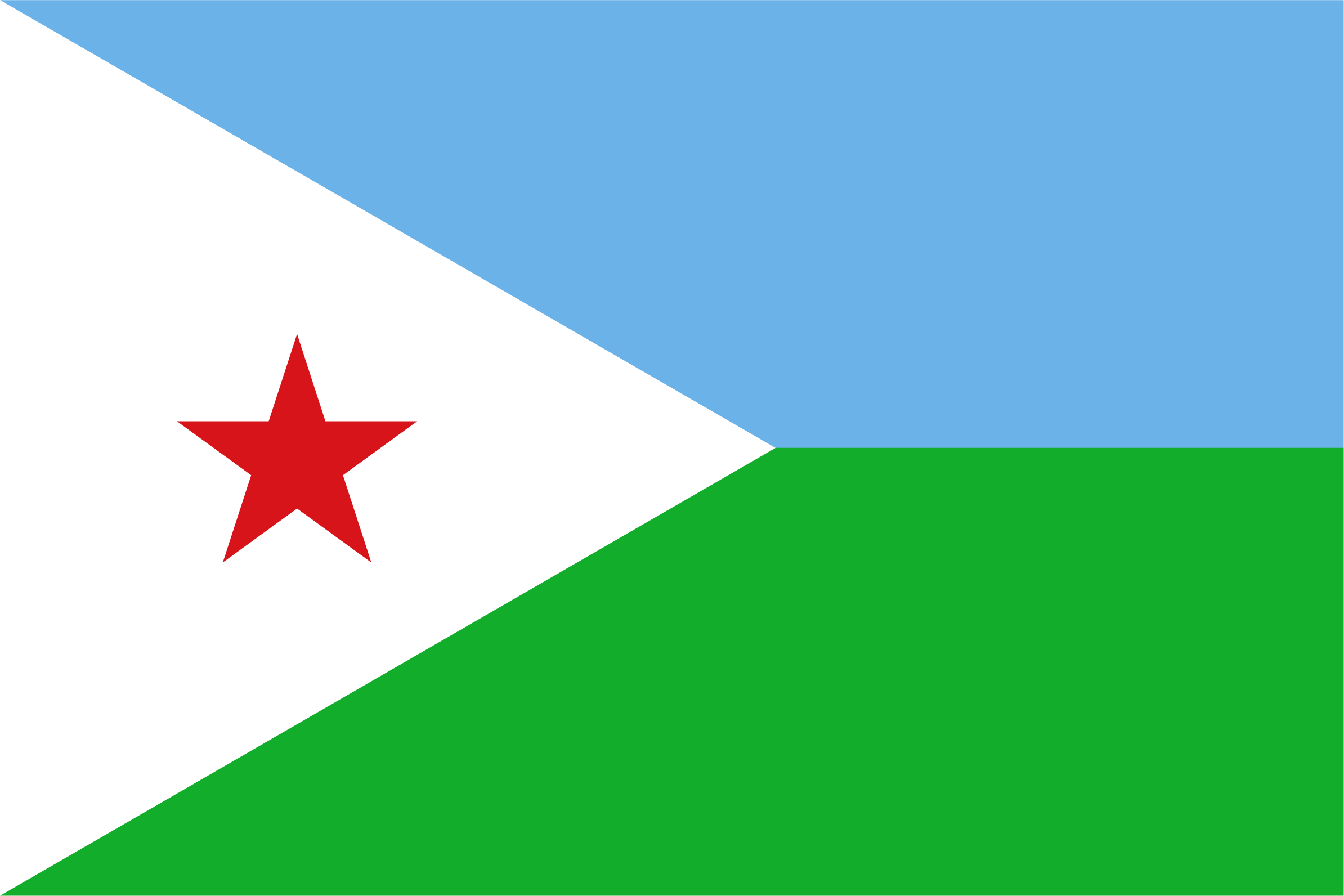
Djibouti
1,052,000
Islam (94%)
c.10,000
Djibouti is categorized as “not free” because basic political rights are absent and basic civil freedoms are denied. The Economist Intelligence Unit's Democracy Index of 2019 lists Djibouti as an “authoritarian regime”, ranked 144th out of 167 countries. Political pluralism is absent or severely lacking, effectively creating a level of dictatorship; some formal institutions of democracy may exist, but they have little substance and elections are not free or fair.
The presidential republic has been ruled by Ismail Omar Guelleh since 1999. Under Guelleh, the country has exploited its geographical advantage, investing heavily in ports and logistics infrastructure. In 2018, seeking to become a trade and logistics hub, the country launched the first phase of what will be Africa’s biggest free-trade zone, financed by China.
Flanked by Somalia and opposite Yemen, Djibouti has remained stable in a volatile neighbourhood, drawing foreign military powers such as former colonial ruler France, the United States and China to establish bases there.
But the country has also seen an erosion of press freedom and a crackdown on dissent as it has courted foreign interest.
Freedom House explains:
- Legislative elections were held in February 2023. Most main opposition parties boycotted the elections, claiming that the ruling UMP was guaranteed to win most seats. The UMP ultimately took 58 out of the 65 seats, while the opposition Djiboutian Union for Democracy and Justice (UDJ) took the remaining 7.
- The government continued to restrict the activities of human rights groups during the year. In March, Alexis Deswaef, vice president of the International Federation for Human Rights (FIDH), was arrested and deported from Djibouti, while one of his colleagues was turned away at the airport. Both were supposed to conduct a fact-finding mission assessing the working conditions for human rights defenders in Djibouti.
Djibouti authorities launched a crackdown on irregular migrants during the year. Approximately 3,000 migrants were arrested in Djibouti City in April.
The Constitution guarantees freedom of expression and belief. However, the government continues to curtail these rights.
Islam is the state religion, and 94 percent of the population is Sunni Muslim. The Islamic Affairs Ministry oversees religious matters. Registered non-Muslim religious groups operate freely, and unregistered groups are able to worship in private, though public proselytizing is illegal. (Freedom House)
Freedom of expression is not upheld in practice, and journalists engage in self-censorship for safety reasons. The government still owns the dominant newspaper, television station, and radio broadcaster, as well as printing presses. Domestic media outlets usually reflect government views. Journalists affiliated with outlets based abroad or small opposition publications are subject to harassment and arbitrary arrest.
- Thank the Lord for the country of Djibouti, with its strategic importance and for the stability its people enjoy.
- Pray for the government of Djibouti to increasingly rule with justice and transparency.
- Thank the Lord for the Church in this country and pray that she will make a positive impact
References:

