
Togo is a country of western Africa. Lomé, the capital, is situated in the southwest of the country and is the largest city and port. From its 32-mile (51-km) coastline on the Gulf of Guinea, Togo extends northward for about 320 miles (515 km) between Ghana to the west and Benin to the east to its boundary with Burkina Faso in the north.
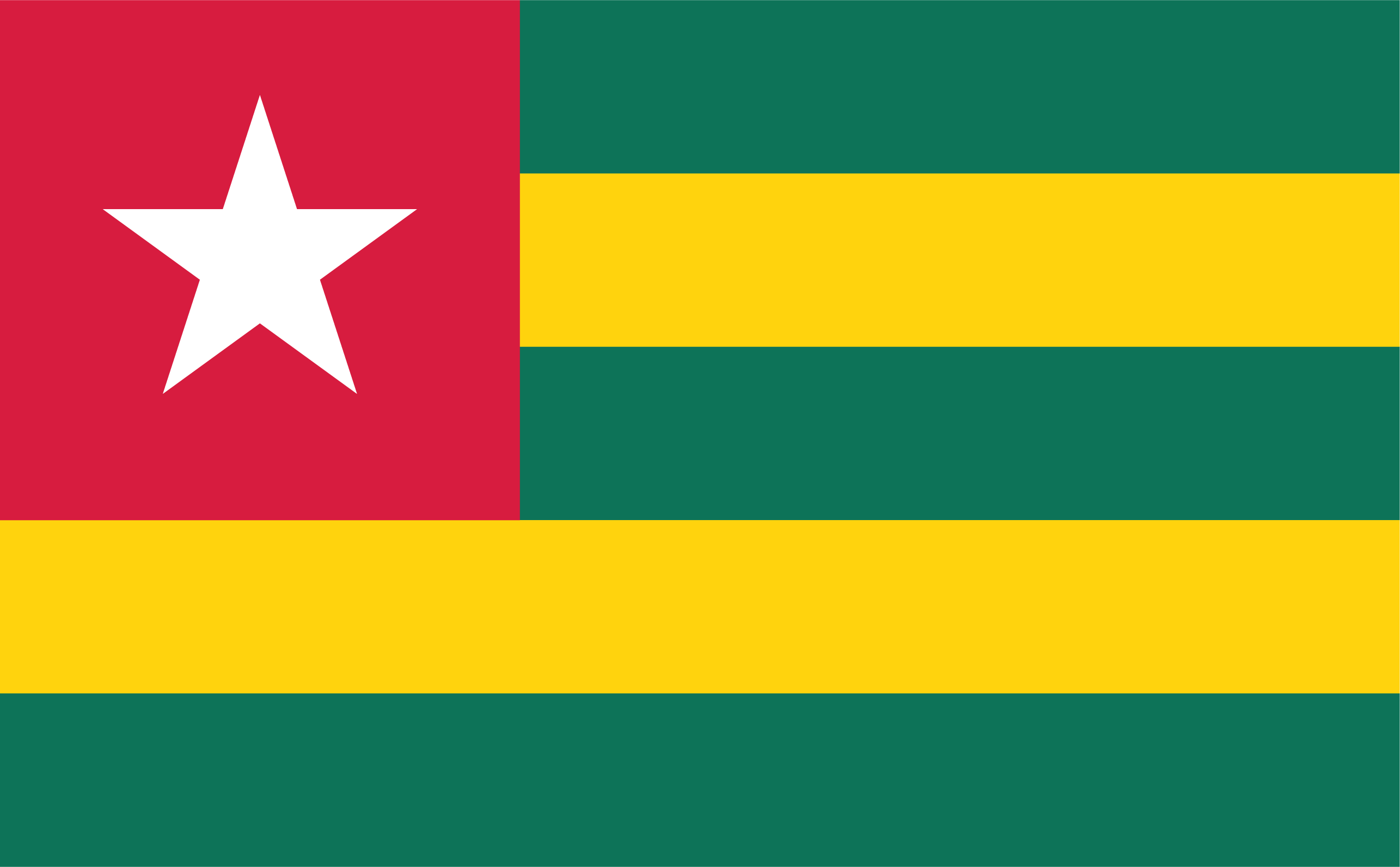
Togo (Country)
8,887,000
Christianity
4,267,000, 48.0%
In 1885 Togo became a German colony. Germans lost Togoland to British and French forces in 1914. In 1922, the western part of the country was officially administered by Britain and the eastern part by France.
The country gained its independence from France in 1960 with Sylvanus Olympio becoming its first President. His rule was short-lived, however, as he was assassinated in a military coup led by Sergeant Étienne Eyadéma Gnassingbé in 1963. After a brief transitional period, Eyadéma himself took power in 1967 and held it for 38 years, making him Africa's longest-serving leader at the time of his death. During his rule, Togo became a one-party state under the Rally of the Togolese People.
The 1990s saw a wave of democratic reforms and protests in the country amidst international pressure. Togo transitioned to a multi-party system, but Eyadéma managed to keep power through elections widely criticized for being flawed. After Eyadéma's sudden death in 2005, his son Faure Gnassingbé was hastily installed as president, an act that triggered international condemnation and internal unrest.
Faure Gnassingbé has been in power since 2005, winning re-election multiple times despite controversies and allegations of electoral fraud. In 2017 and 2018, the country experienced large-scale protests that demanded his resignation and the restoration of the 1992 Constitution, though these were largely ignored by the government. In the most recent elections in 2020, Faure was again re-elected, extending his family's rule over Togo for over five decades.
Current security concerns in Togo include rising threats from Islamic militants at its northern border near Burkina Faso and ongoing internal issues related to traditional Voodoo practices and government oppression.
Togo is one of the few African countries where traditional religious groups are still dominant in most parts of the country. However, the number of ethno-religionists has greatly decreased in the last years and many people combine traditional rites and customs with Christianity or Islam.
Christians live mainly in the south, while Muslims are predominately in the central and northern regions.
The law does not recognize specific religions, but the government in practice recognizes Catholicism, Protestantism and Islam with their religious holidays observed as national holidays and with religious leaders of these groups invited to government events. The law requires all other religious groups, including indigenous groups, to register as religious associations. Official recognition as a religious association provides these groups with the same rights as those afforded to the three recognized religions, including import duty exemptions for humanitarian and development projects. Registration is not obligatory, but unregistered groups do not receive import duty exemptions or additional government benefits such as government-provided teachers for private schools. In Togo, Christians face an intricate landscape of challenges that jeopardize their religious freedom:
Some government officials wield their power to hinder Christians, notably by making it difficult for them to obtain land or permits for churches.
Christians face Clan oppression stemming from traditional African belief systems like Voodoo. In certain regions, Christians, particularly young males, are forced to participate in Voodoo ceremonies that contradict their faith.
The precariousness escalates near the Burkina Faso border where jihadist incursions have generated fear and emboldened local Muslim youths to adopt more militant stances. Evangelicals find it especially challenging to spread their faith among Muslims, and those who convert from Islam face heightened risks.
In addition to the above, Organized corruption and crime adds another layer of difficulty. Various criminal networks, including those that have penetrated government structures, make it perilous for Christians who denounce illicit activities, further undermining the rule of law and Christian rights in the country.
Christians in Togo are pressured to conform to community-specific dress codes, especially in areas influenced by traditional or Islamic beliefs.
Converts to Christianity from a Voodoo background are compelled to participate in Voodoo ceremonies, a practice that contradicts their religious values.
Converts also risk being expelled from their homes, leading to social isolation and further hardships.
- The church to re strong in the face of increasing danger and to be prepared to offer and answer to all who ask about the hope in them.
- Pray for the government to have wisdom in navigating challenges and for transparency in ensuring the protection of all.
References:
