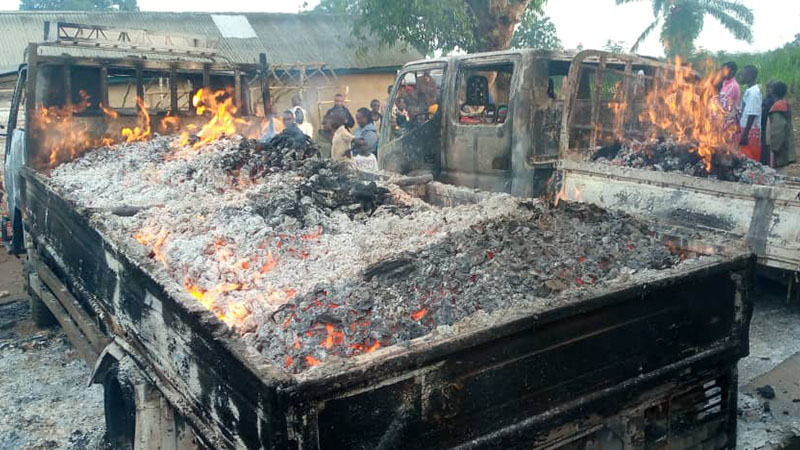
1. The group originated in DRC but has Ugandan roots
“The ADF (Allied Democratic Forces) formed in eastern DRC in 1995 through an agreement between portions of Uganda’s Tabliq Islamic sect and the National Army for the Liberation of Uganda (NALU) to fight the Ugandan government of President Yoweri Museveni. The ADF received early training and logistical support from the Sudanese government and translated these capabilities into violent attacks beginning in 1996,” explains Jared Thompson of the CSIS
2. Now mostly active in the North Kivu and Ituri provinces of the Democratic Republic the Congo (DRC).
Finding refuge in the Ruwenzori mountains of Democratic Republic of Congo, close to the Ugandan border since 1996, the government, with the help of a UN force have failed to secure the area. The size of the group ebbs and flows, and nobody seems to know exactly how many fighters they have. But despite the capture of their leader in April 2015, they continued to show surprising strength. “The ADF’s ability to merge with civilian communities allows them to lie low when necessary, and to re-emerge when conditions are more favourable,” said Michael Mutyaba, a Ugandan researcher and political analyst. “This explains why it’s proving resilient.”
3. The group’s leadership has an Islamic expansionist agenda
The ADF’s ideology has historically contained some Salafi-jihadist elements. And while the Islamic agenda has been debated by many, the group pledged allegiance to ISIL in 2019, and in 2021 the USA declared it an international terrorist organization.
4. The effects of their violence have been ferocious
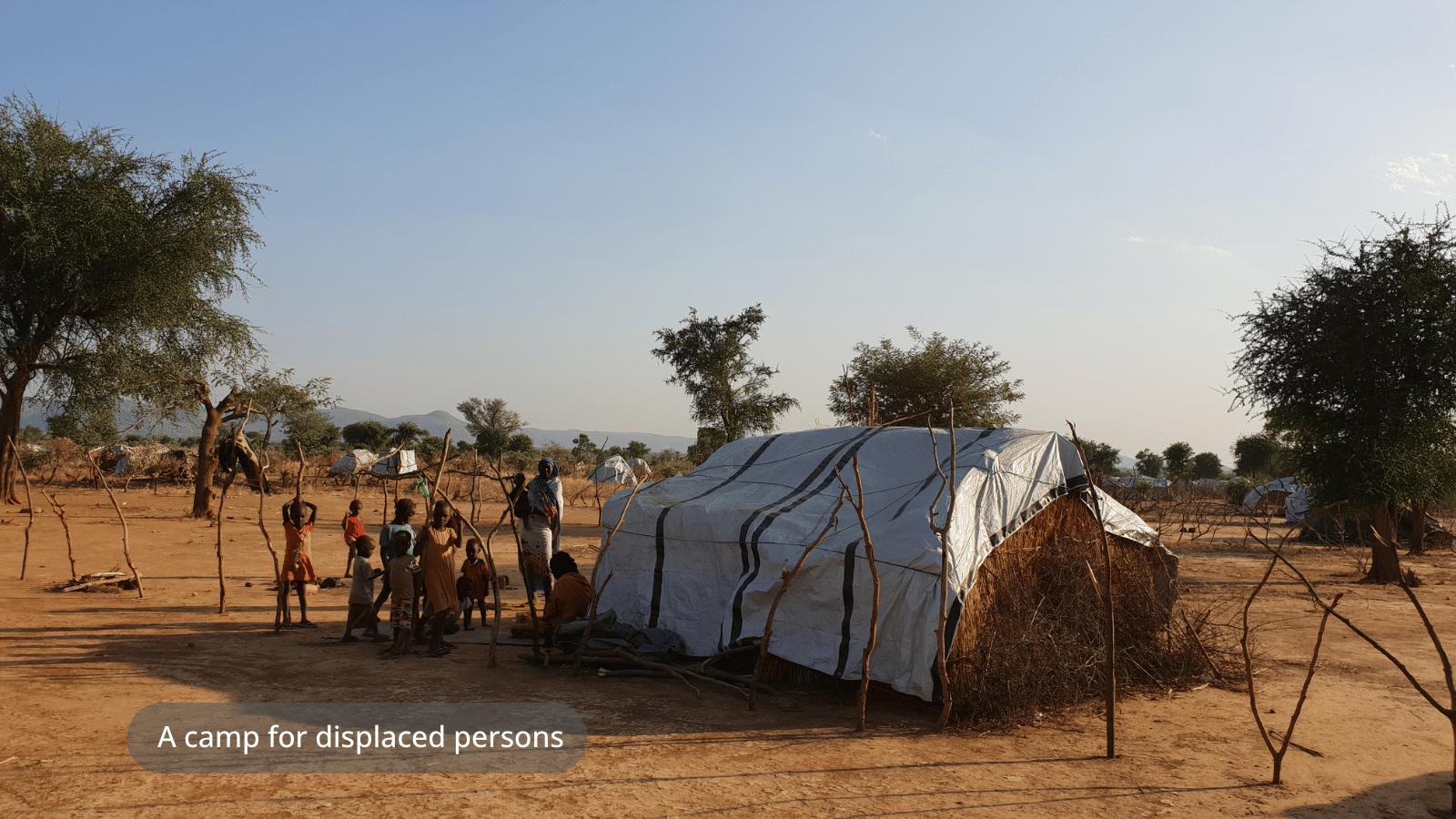
In the 2023 Global Terrorism Report, DRC ranked 7th on the global list of hotspots for terrorism. According to a UN situation report published earlier in Jun, at least 2.3 million people have been displaced in North Kivu alone. Earlier this year, UNHCR spokesman Babar Baloch commented, “It seems that since the beginning of the year they have gone on a rampage in terms of raiding villages, killing civilians, kidnapping people, leaving people injured behind and the consequences are really, really clear on the desperate population who have to flee, in cases many times from each location to an-other.”
He said women and children constitute the majority of those fleeing their homes. The men, he said, stay behind to protect their property. Baloch notes displaced people are living in dire conditions without shelter, food, water or health care. “In the context of Ebola and the ongoing COVID-19 pandemic, the lack of access to toilets, clean water or soap and menstrual hygiene products is particularly of concern,” Baloch said. “In addition, families do not have enough essential items like blankets, sleeping mats or cooking materials.”
5. Christians count among the most severely affected
Our partners at Open Doors have placed DRC at #35 on the 2025WWL. DRC is home to an important Christian pocket in Africa, who has now been under attack for two and a half decades.