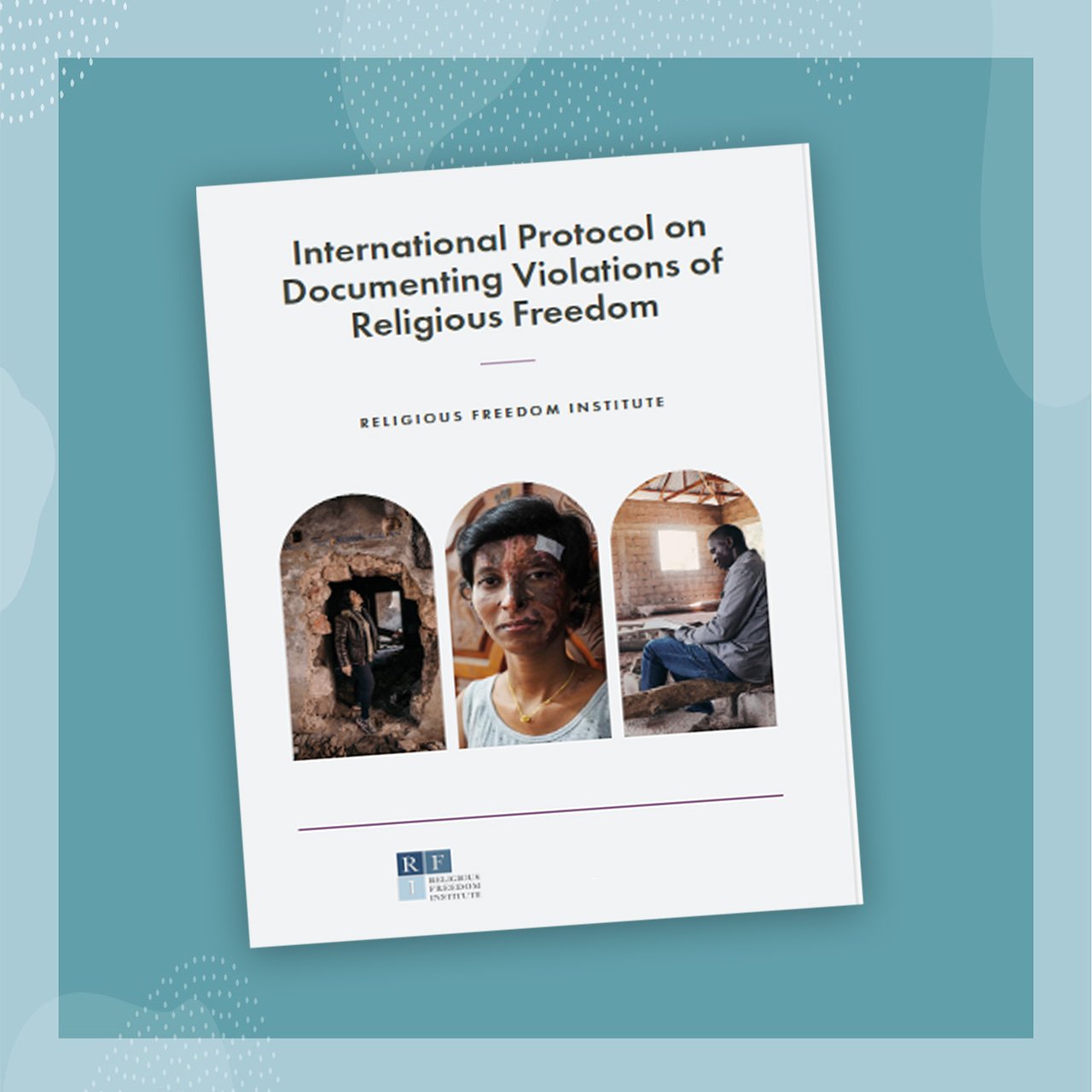
The seminar session introduces key principles of documenting human rights violations, focusing on religious freedom, with an emphasis on risk assessment, mitigation, and ethical considerations like confidentiality and informed consent for NGOs.
[av_video src=’https://youtu.be/SfqQAq5kULg’ mobile_image=’https://servafrica.org/wp-content/uploads/image/Session-2.jpg’ attachment=’3212′ attachment_size=’medium’ format=’16-9′ width=’16’ height=’9′ conditional_play=” id=” custom_class=” template_class=” av_uid=’av-2of06h’ sc_version=’1.0′]
Summary
This second seminar session guides participants through the documentation protocol for human rights violations, particularly those related to religious freedom, tailored for NGOs. The 90-minute session begins with an overview of documentation goals, which include achieving justice through individual redress, institutional changes, or policy reforms, as highlighted by examples like property restoration or combating discrimination. The session stresses the importance of understanding applicable legal frameworks, such as domestic laws or international humanitarian law in conflict scenarios, while cautioning against framing documentation as “investigations” to avoid antagonizing authorities.
Key principles—harm reduction, informed consent, confidentiality, and managing expectations—are explored in depth, drawing from best practices by organizations like the UN and ICC (pages 46-47, 61-69 of the protocol). Harm reduction prioritizes the safety of victims, witnesses, and documenters, requiring ongoing risk assessments (pages 63-65). Informed consent ensures interviewees understand the process and risks, with explicit permission needed for data use or sharing. Confidentiality protects identities and information, critical for security and trust, while managing expectations involves clear communication to avoid false hopes of outcomes like prosecutions.
The session includes practical guidance, such as avoiding deception (a potential legal offense), securing data per global and local laws (e.g., GDPR, Nigerian regulations), and coding information to protect sources. Risks to documenters, interviewees, and partners are discussed, including physical dangers (e.g., travel to conflict zones), retaliation, or vicarious trauma from exposure to atrocities (pages 63-64). Mitigation strategies involve secure storage, VPNs, and clear protocols for data handling or destruction.
A group exercise (pages 145-156) divides participants into two NGO-based groups (village-based and Kampala-based) to analyze risks and mitigation strategies based on a video scenario, fostering practical application. The session underscores the ethical and spiritual responsibility of documenters, emphasizing impartiality and sensitivity to local contexts, especially in African settings like Nigeria or Uganda, to support justice without compromising safety.