The fifth seminar session focuses on verifying evidence for human rights documentation, emphasizing credibility and reliability. It covers assessing witness testimony, particularly from a child survivor, by checking consistency, corroboration, and context. The session also addresses verifying documents and social media content, highlighting tools like InVID-WeVerify for detecting forgeries and reverse image searches. Discussions include challenges in resource-limited settings, the role of technology in exposing violations, and mobilizing communities, especially churches, to advocate for justice.
Session 5 of the seminar delves into the verification process for human rights documentation, focusing on ensuring evidence credibility and reliability. Key points include:
Testimonial Verification: Emphasis on a child survivor’s account, assessing reliability through consistency, corroboration with other survivors, and coherence with the broader context. Factors like voluntariness, informed consent (from the child and guardians), and direct witnessing are critical.
Document Verification: Techniques to check authenticity, such as examining metadata, spotting tampering (e.g., inconsistent fonts, mismatched lines), and verifying official stamps or signatures against reliable sources. Courts prioritize originals, but photographs of documents require a documented backstory if originals are unavailable.
Social Media Verification: Tools like InVID-WeVerify, Google Fact Check Explorer, and Yandex for reverse image searches help confirm the originality and context of photos and videos. Participants are urged to check upload origins, timestamps, and corroborating evidence while being cautious of manipulated content.
Practical Tools: Guidance on using open-source tools for efficient verification, including Amnesty International’s citizen documentation resources and BBC investigative techniques, as shown in a Cameroon case study identifying perpetrators via social media analysis.
Challenges and Solutions: Discussions highlight resource constraints in African contexts, proposing partnerships with tech-savvy youth and churches to build capacity. The session stresses mobilizing communities to push governments for accountability, using technology to expose violations despite systemic issues like misinformation or lack of political will.
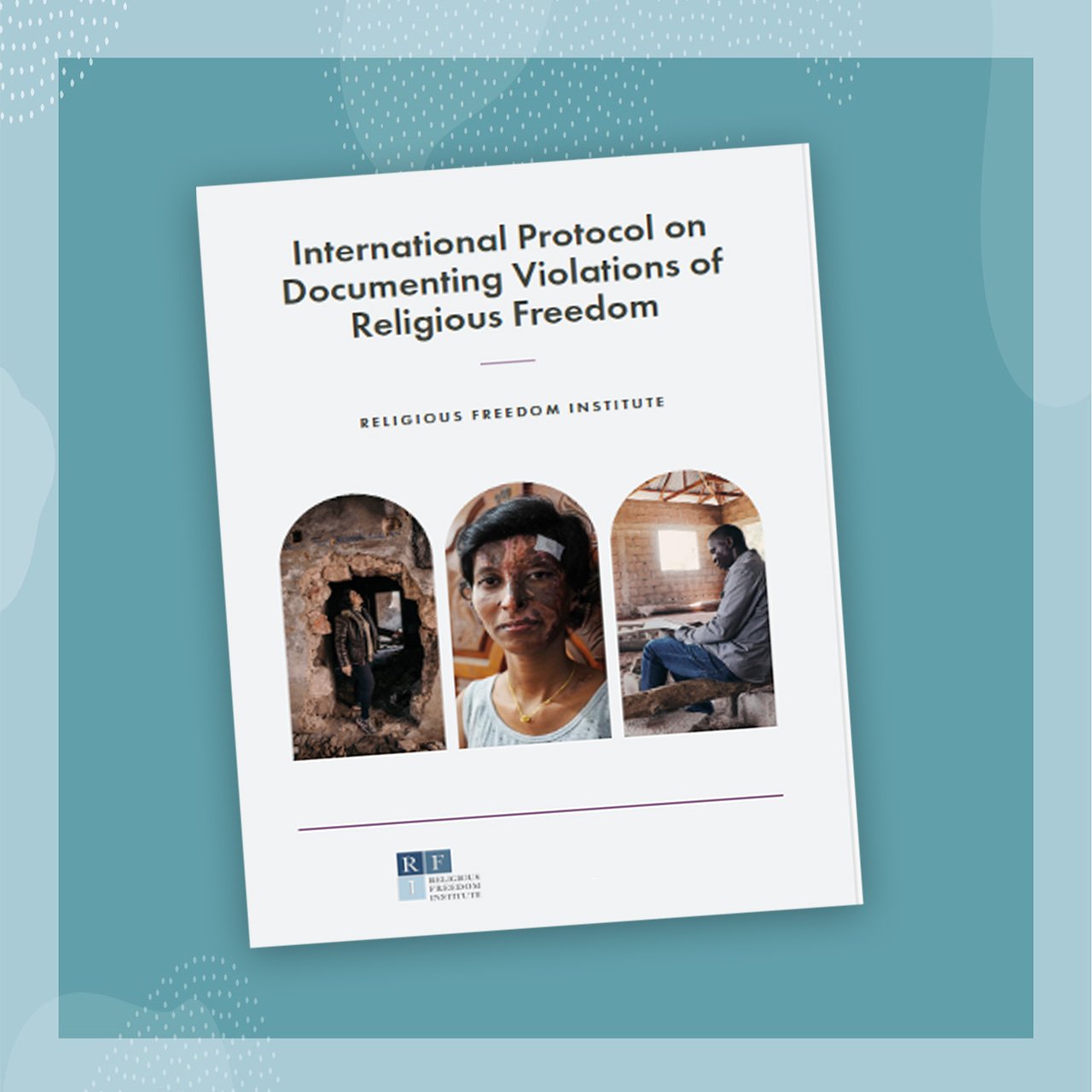
Consent Templates: Standard consent forms are provided in the documentation protocol annexes, adaptable for minors, illiterate individuals, or non-native speakers, ensuring ethical evidence collection.
The session underscores perseverance in using accessible technology and community advocacy to strengthen human rights documentation, despite challenges like forged documents or limited resources.