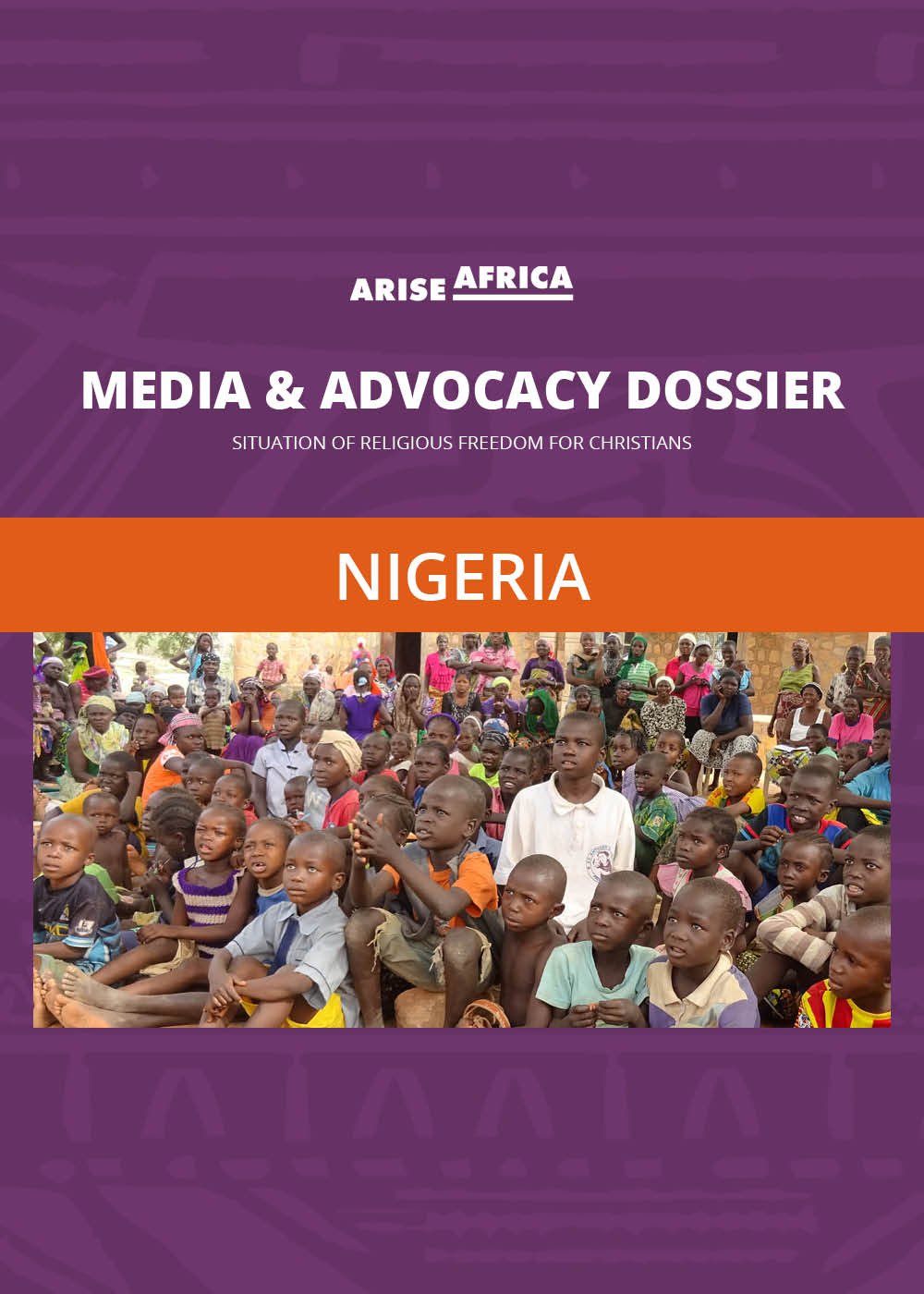
Christians suffer from a suffocating combination of Islamic oppression, ethno-religious hostility, dictatorial paranoia and organized corruption and crime. The previous government failed to prevent an increase in Islamic militant violence, much of which takes place in the north, in the form of attacks by Boko Haram and their now more powerful split ISWAP (Islamic State in West Africa Province), as well as by Fulani militants and different groups of armed bandits. The steady influx over recent years of Fulani militants from neighboring countries adds to the threat of violence. Such violence includes loss of life, physical injury, rape, abduction, loss of property and destruction of farmlands. Christians are especially affected and are being dispossessed of their land and means of livelihood. Many live as internally displaced people (IDPs) or refugees.
Christians in northern Nigeria, especially in the states that follow strict interpretation of Sharia, face discrimination and exclusion as second-class citizens. Christians with a Muslim background also face rejection from their own families, pressure to give up Christianity, and often physical violence. In recent years, violence has increased and spilled into southern states, which heightens the sense of insecurity and the level of impunity. Former President Buhari positioned Muslims in the most important government roles, which has made it harder for Christians who have suffered human rights violations to speak out. Attacked Christian communities are often abandoned by the security forces, which are under federal command. Religiously- motivated violence is taking place against a backdrop of climate change and environmental degradation, pushing the Fulani herdsmen and their cattle southwards and putting stress on herder-farmer relationships.